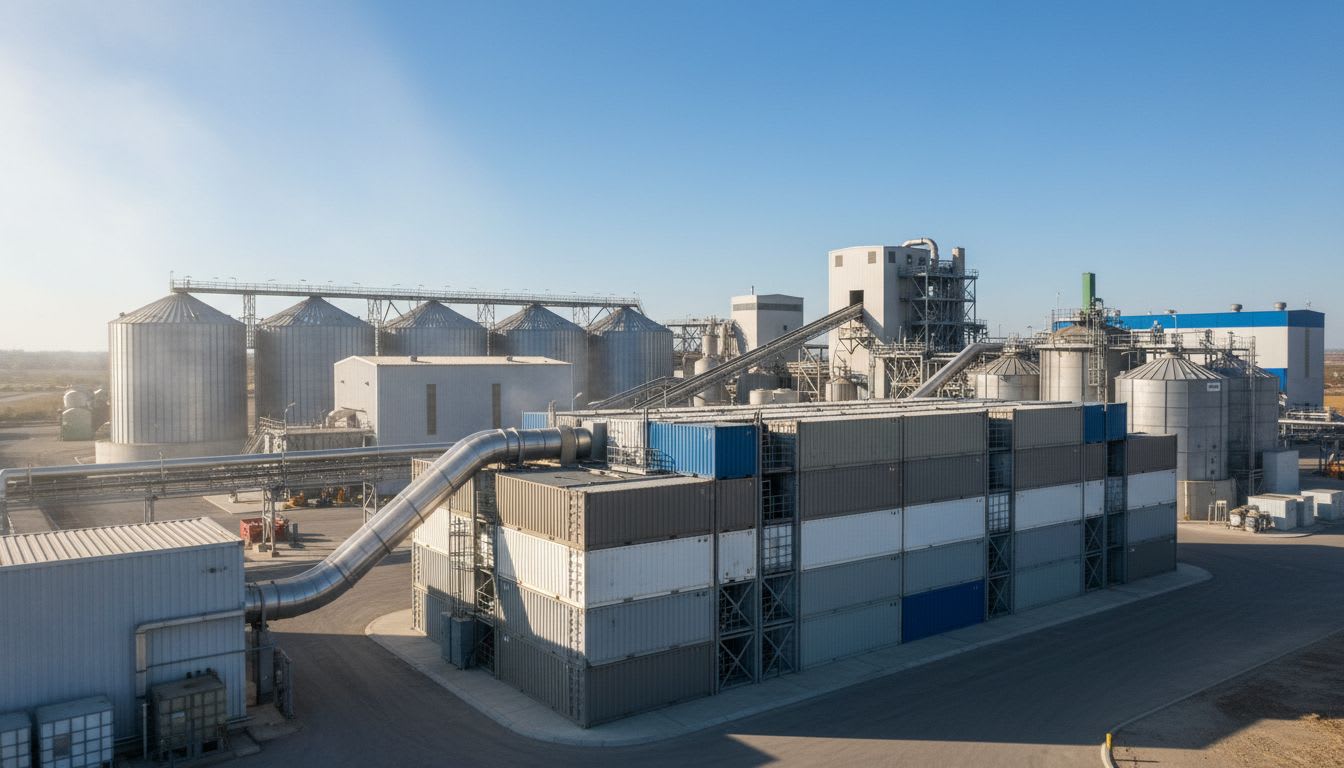
Considering the implementation of an odor reduction system to tackle troubling odors at your facility? You might be surprised to learn that many installations don’t meet expectations or encounter unexpected operational challenges. This often happens because crucial pre-check procedures for effective odor reduction are overlooked. Experts like KoreaBest, adept in understanding various odor sources such as livestock waste and food waste facilities, emphasize the importance of ‘pre-inspection’ for successful system integration. So, what are the five essential aspects you must verify pre-installation to achieve optimal odor reduction without unnecessary trial and error?
Odor reduction systems not only involve installing equipment at specific sites but significantly impact the surrounding environment and overall operational efficiency. Thus, building a successful and sustainable odor reduction system requires acknowledging key aspects that need thorough pre-verification. It’s vital to reduce unnecessary trial and error through a systematic inspection process, enabling optimal choices for each facility.
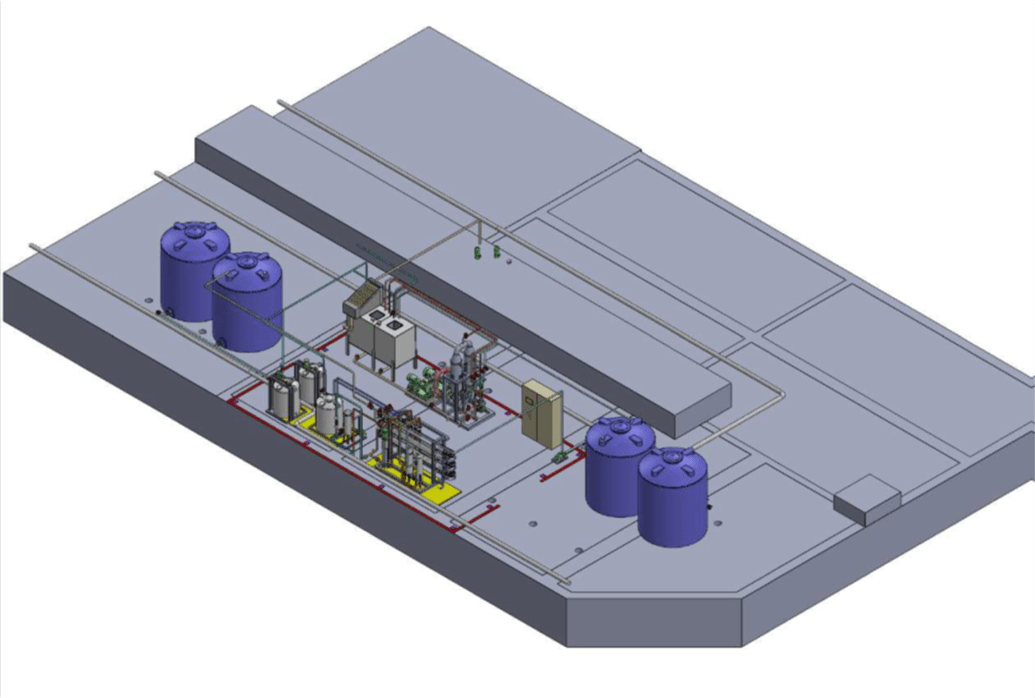
Implementing an odor reduction system is a significant decision that profoundly affects a facility’s overall environment and operational efficiency. Without proper preparation, it may lead to unnecessary expenses and fail to achieve the expected odor reduction results, or face legal issues due to stricter environmental regulations. Let’s specifically examine the key aspects that need verification before installation for effective odor reduction system deployment.
Site-Customized System Design and Capacity Optimization
Site Assessment and Customized Design
Firstly, there must be an accurate assessment of the site conditions and a customized design based on those findings. Since the causes and scale of odor emissions vary greatly across facilities, a standard system cannot yield optimal results. Carefully analyzing the types of odors (e.g., ammonia, hydrogen sulfide), emission volume, and dispersion pathways is essential, possibly involving air sample collection and professional analysis to derive a design best suited to site characteristics. KoreaBest offers tailored solutions optimized to each facility’s unique environment, focusing on practical problem-solving beyond mere product sales to establish enduring odor management plans.
Appropriate Capacity and Efficiency
Next, it’s critical to precisely understand the volume and concentration of odor emissions the system needs to handle and choose equipment with appropriate capacity and efficiency. If the odor volume is higher or more concentrated than anticipated and a system with too little capacity is selected, complaints may persist. Conversely, excessively large systems lead to unnecessary initial investment and increased energy consumption, raising operating costs. KoreaBest provides solutions from containerized systems with a daily processing capacity of 10 tons to custom-built units up to 20 tons, ensuring optimal efficiency for both small farms and large facilities. This approach enhances cost efficiency and secures long-term operational stability.
Long-Term Operational Efficiency and Legal Compliance
Maintenance and Operational Cost Consideration
Considering long-term perspectives, evaluating ease of maintenance, energy usage, and operational costs such as consumables is critical. Focusing solely on initial installation costs often leads to unexpected maintenance challenges or excessive operational expenses later. For example, systems with frequent filter changes or difficult-to-source parts increase management complexities and unexpected expenditures. Easy maintenance and low operational costs enhance system sustainability, ultimately reducing financial burdens on facilities. KoreaBest prioritizes efficient energy usage and easy management from the design stage, ensuring clients can operate their systems with confidence for the long term.
Legal Compliance and Permitting
Fourthly, ensuring that system installation and operation comply with relevant air quality regulations and local ordinances and obtaining necessary permits beforehand is essential. With increasing environmental regulations, preventing legal complications beforehand is crucial. Failure to meet specific emission standards or operating without a permit can result in hefty fines or operational shutdowns. KoreaBest responsibly supports compliance with all current legal standards, backed by its air environment construction license and liquid fertilizer processing facility construction registration. This enables clients to operate their systems with peace of mind, avoiding potential legal risks, underscoring KoreaBest’s commitment and promise.
Verification of Construction Capability and Track Record of Expert Companies
Importance of Professionalism and Performance Verification
Finally, evaluating the expertise and similar project track record of the supplier and constructor is vital to ensure they possess practical solutions beyond mere product sales. Odor reduction demands a blend of high-level technical skills and extensive field experience. Theoretical knowledge alone is insufficient to flexibly address complex site conditions. KoreaBest has amassed numerous successful cases across various odor-generating facilities, including livestock waste, food waste, and waste treatment facilities. Such expertise and performance demonstrate KoreaBest’s unwavering aim to provide the best odor reduction solutions, promising practical odor management through accumulated know-how.
Key Summary
The meticulous verification of these five essential aspects before installing an odor reduction system lays a solid foundation for superior performance and efficient, stable operation beyond merely occupying space. Thorough preparation from the perspective of expert companies like KoreaBest, possessing deep knowledge of various odor generation sites, is crucial in preventing unnecessary reinvestments and minimizing potential legal risks. Such careful preparation ultimately creates a sustainable management environment and fulfills corporate environmental responsibilities, generating social value. The introduction of an odor reduction system should be approached as a strategic investment that enhances a company’s environmental efficiency and long-term value, with the assurance of professional expertise demonstrated by KoreaBest’s air environment construction license and liquid fertilizer processing facility construction registration. Only with proper diagnosis and design from the initial stages can the desired odor reduction effects be achieved and stable business operations continue.
Ultimately, accurately identifying the unique odor sources of our facility and choosing a company capable of providing professional solutions is crucial before installing an odor reduction system. Given the diversity of odor sources including livestock waste, food waste, general waste, and recycling facilities, a deep understanding and tailored approach are essential. In this context, KoreaBest has distinguished itself across a broad spectrum of businesses, from manure and food waste to liquid fertilizer and recycling facilities. Beyond simply selling systems, KoreaBest offers optimized odor reduction solutions for any site, verified by its expertise and air environment construction license. For example, small farms can achieve effective odor management with containerized systems suitable for recycling and discharge facilities, minimizing installation costs and alleviating operational burdens. Selecting a professional company that thoroughly understands the characteristics of our facility and provides fitting solutions is critical to achieving successful odor reduction and long-term environmental improvement.
Closing Remarks
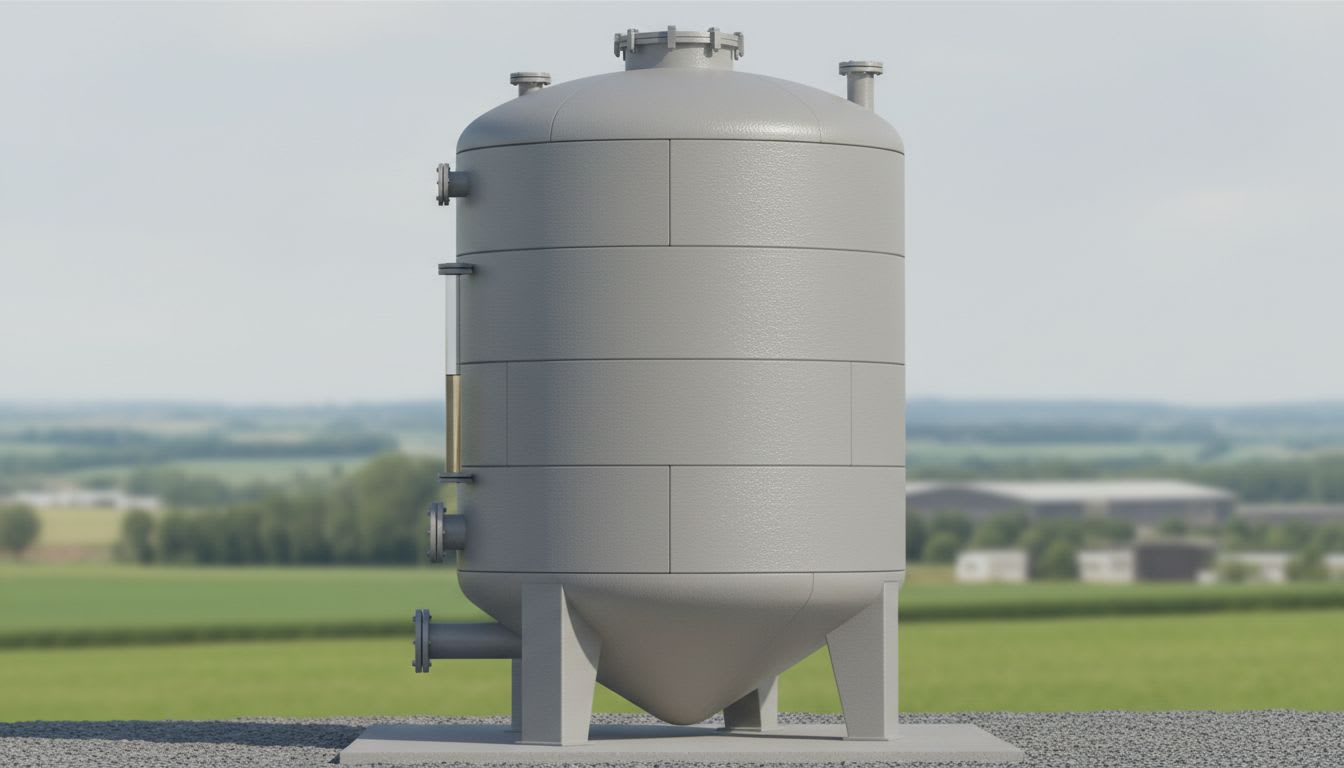
Introducing an odor reduction system is more than installing equipment; it’s a strategic investment shaping a facility’s sustainable environment and future. The five essential checklists discussed today are compasses guiding these investments toward successful outcomes. KoreaBest’s expertise, verified by its air environment construction license and liquid fertilizer processing facility construction registration, comprehensively understands each site’s unique odor characteristics and needs, providing optimal solutions like containerized systems without unnecessary trial and error. Ultimately, such careful pre-planning is crucial in fundamentally resolving odor issues and simultaneously enhancing corporate environmental responsibility and economic efficiency.
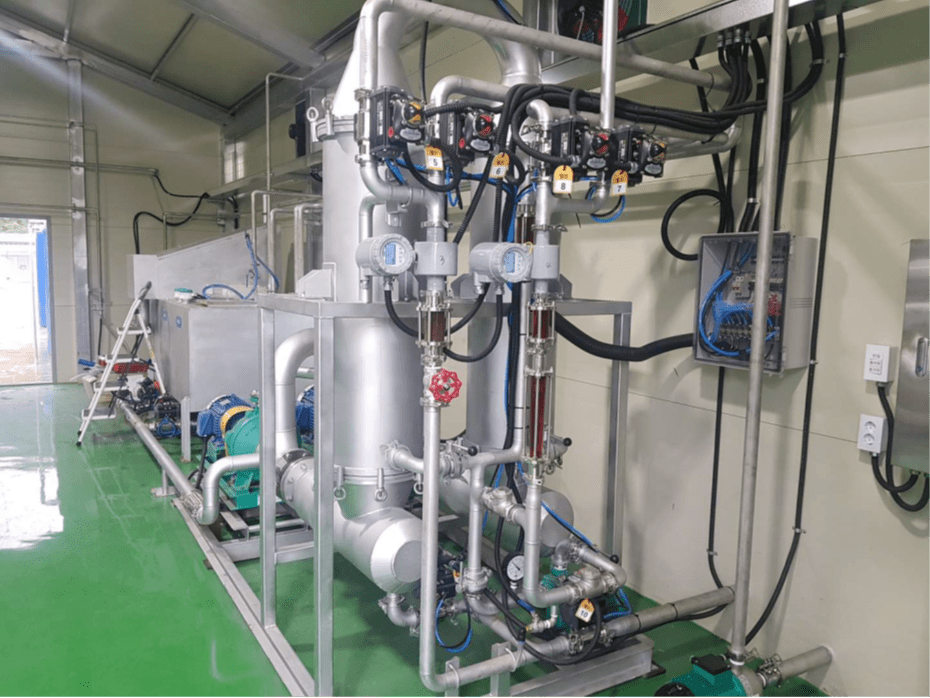
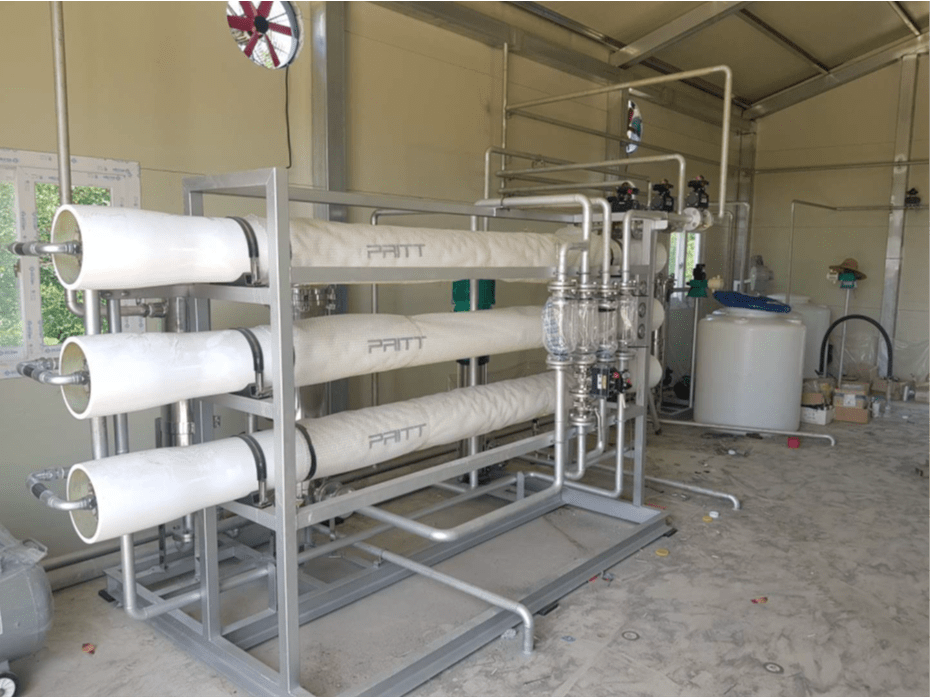
KoreaBest, with over 20 years of experience and know-how, fundamentally solves chronic odor problems, realizing a pleasant working environment and responding to environmental regulations simultaneously.
Contact
Phone: 041-632-0670
Email: kbeco@naver.com
Free consultation request: http://www.kbeco.co.kr