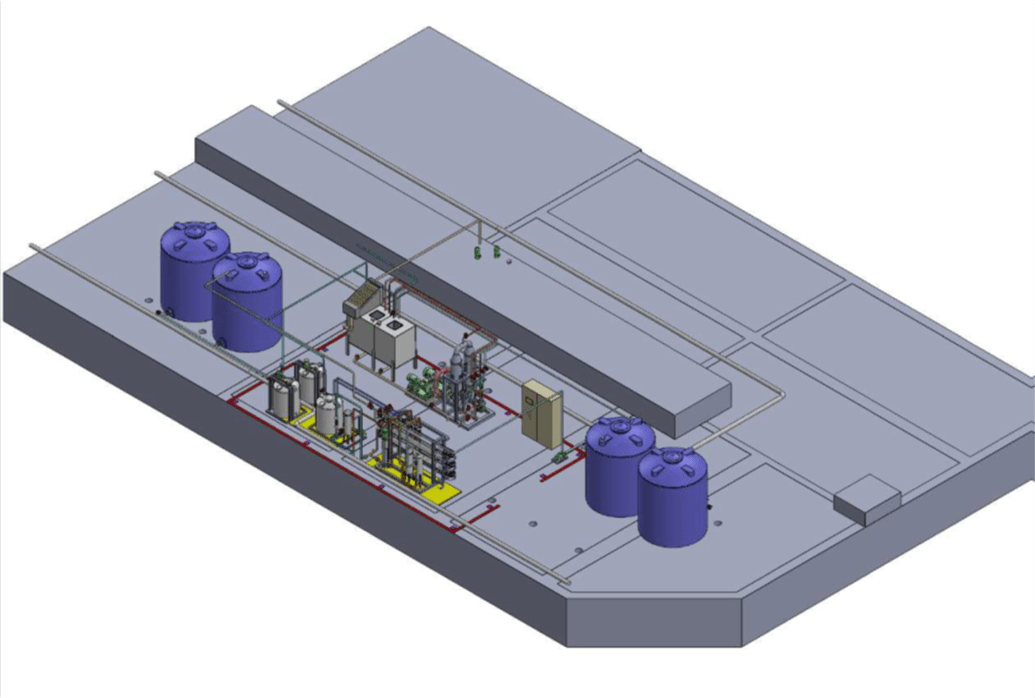
Amid odor complaints that arise almost daily and increasingly stringent environmental regulations, there are clear limits to relying on people to visit sites in person, smell odors directly, and manually inspect equipment every time. How far has fully automated technology advanced, technology that minimizes human involvement and allows machines to detect and block pollutants on their own? KoreaBest, a leader in eco-friendly technology, is presenting a clear answer to this major question by combining real-time intelligent monitoring sensors with high-performance ceramic filters that remain reliable even in extreme environments. Now, we will take you step by step into the world of its innovative unmanned automated monitoring system, which has transformed even the notoriously difficult composting process into an unmanned clean smart factory.
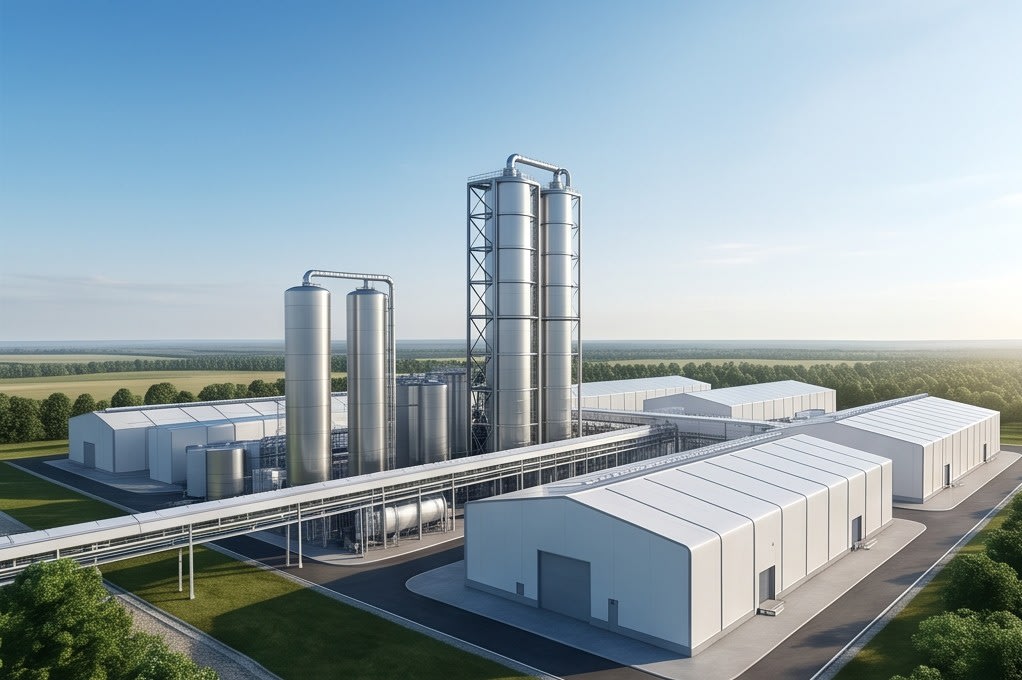
Stronger Environmental Regulations and the Rise of Intelligent Automation Systems
In recent years, legal regulations related to the environment have become stricter by the day, while public demand for comfortable living conditions and clean air has grown stronger than ever. As a result, stable management of odors and harmful gases generated at industrial sites and various public facilities has moved beyond simple complaint handling to become a core task that determines a company’s sustainable survival and social responsibility. In step with this powerful wave of change, odor reduction technology is also rapidly moving away from the passive methods of the past. Previously, it often remained a temporary response, with people periodically replacing filters by hand or rushing to respond only after odors became severe. Now, however, it is evolving completely into an intelligent automation system that combines advanced detection technology and communication networks to control pollution sources in real time.
Real-Time Detection that Overcomes the Limits of Analog Methods
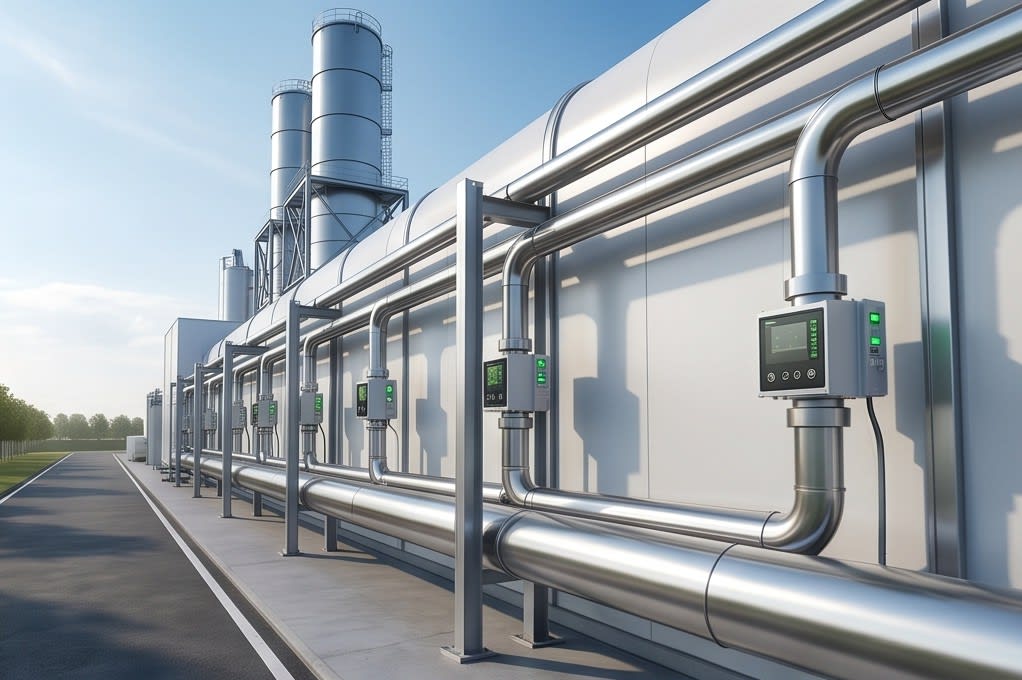
In fact, until quite recently, odor management followed a highly inefficient structure in which on-site workers or managers periodically smelled odors directly to judge inspection conditions, or manually checked each piece of complex reduction equipment one by one to confirm normal operation. For this reason, when unexpected gas leaks or emissions exceeding standards occurred late at night or on holidays, immediate detection and response were virtually impossible. However, the intelligent integrated monitoring system introduced by KoreaBest completely fills these management gaps left by analog methods. High-performance environmental sensors installed throughout key odor reduction facilities and deodorization towers continuously capture the concentration of invisible toxic gases and fine odor particles 24 hours a day without gaps.
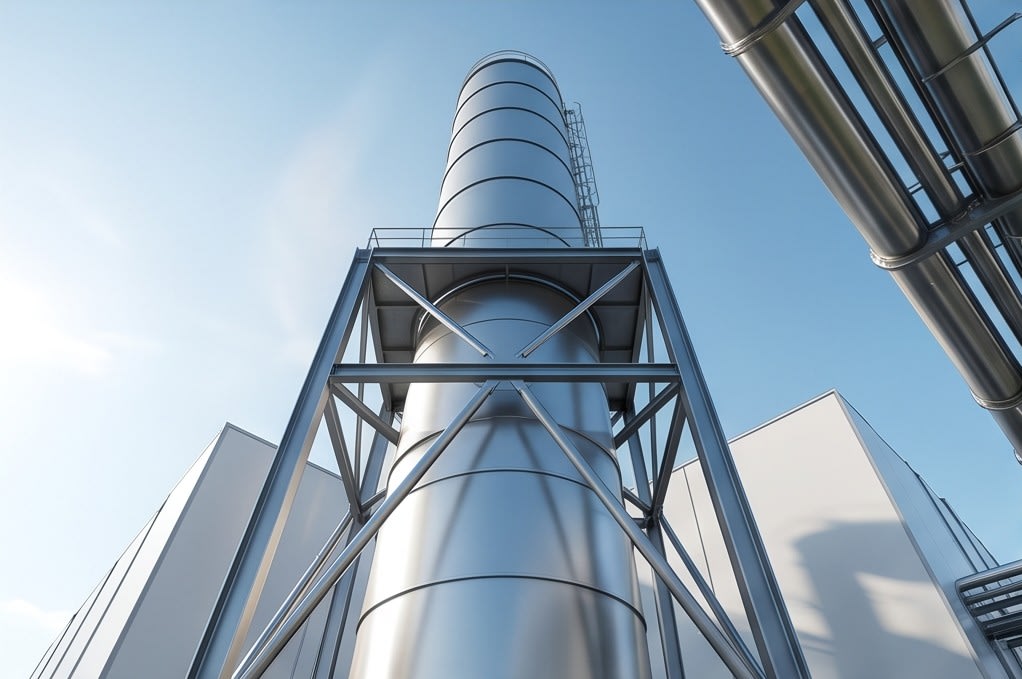
Smart Control Platform Based on a Wireless Network
The real-time pollutant concentration and gas removal efficiency data collected by these high-precision sensors are transmitted instantly and continuously to a dedicated control platform through the latest wireless communication network. Without having to walk through harsh sites in person, managers can conveniently monitor the performance and operating status of each facility in real time through office monitors or personal smart devices. Moving beyond the limitations of the past, which depended only on passive detection areas, a smart automated monitoring framework that enables preventive and immediate decision making based on collected data has now become firmly established in the field.
High-Performance Ceramic Filters, the Core Hardware that Completes Full Automation
Durability Limits and Maintenance Issues of Conventional Filters
No matter how advanced the monitoring software that enables real-time automatic control becomes, true full automation remains far away unless it is supported by the durability of the filter, the hardware that directly receives odor gases and filters out dust and pollutants in harsh field conditions. Most ordinary odor reduction facilities have widely used hollow fiber membranes or flat sheet membrane filters in thin-film form. However, when continuously exposed to strongly acidic gases, alkaline substances, or exhaust gases under harsh high-temperature and high-humidity conditions, these filters had fatal durability problems, including tearing easily, clogged micropores, and deformation. As a result, operators have had to regularly stop equipment operation, clean filters with chemicals, or frequently replace parts entirely, causing ongoing inconvenience and significant maintenance costs.
Features of Ceramic Filters that Withstand Extreme Environments
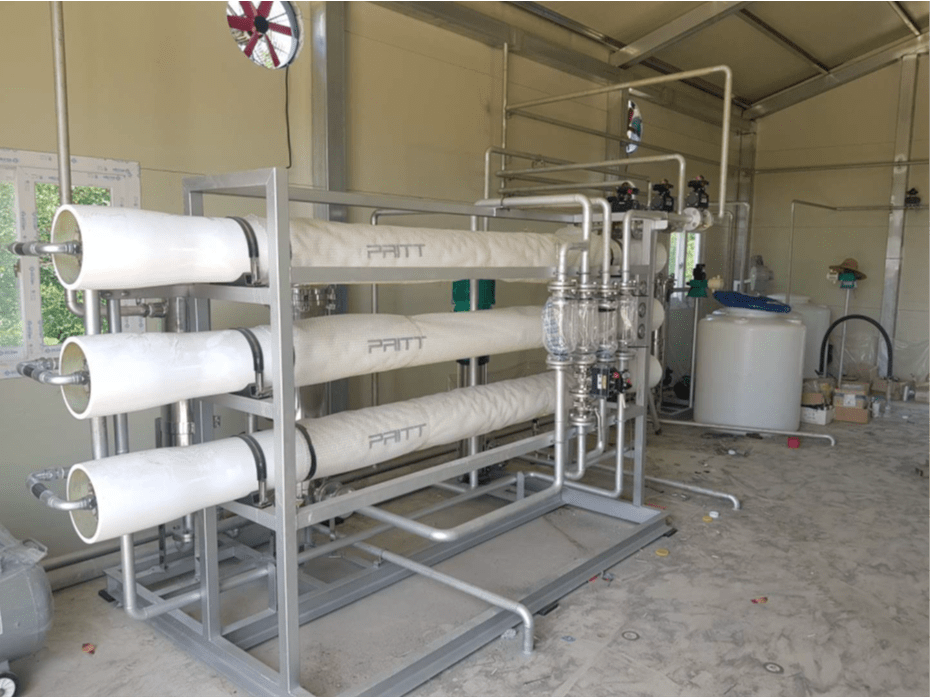
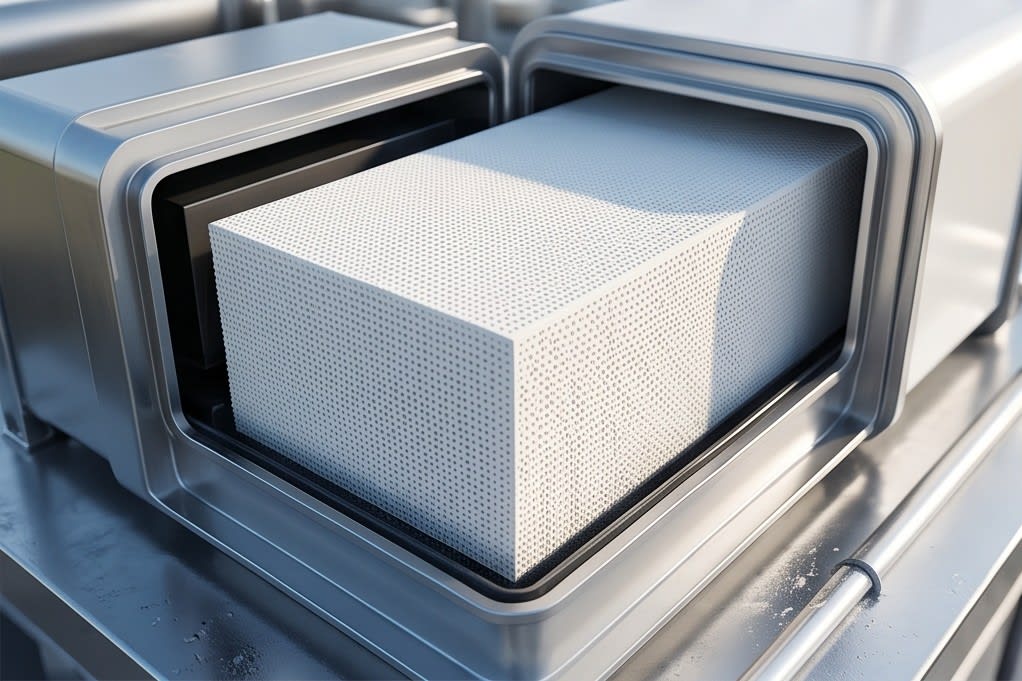
To overcome this critical limitation, in which equipment operation must stop or managers must frequently be deployed to the site, KoreaBest introduced ceramic filter technology with unrivaled performance that maintains its powerful purification ability even in harsh and extreme environments. This filter, created with advanced materials technology, demonstrates strong durability that sets it apart from conventional products. The main features of this high-performance ceramic filter are as follows.
- Chemical resistance that prevents corrosion even under extreme pH 1 – 13 conditions
- Outstanding heat resistance with no deformation even at high temperatures approaching 90 degrees
- Strong fouling resistance that prevents foreign substances from adhering to the surface
- Excellent preservation stability with no cracking even after long periods in a dry state
Powerful Hardware Supporting Unmanned Automation
This robust physical and chemical durability dramatically extends filter cleaning and replacement cycles, greatly reducing the need for manual intervention by on-site managers. By maximizing the service life of equipment, it reduces operating costs while also maximizing management convenience. As a result, KoreaBest has established the strongest and most reliable hardware foundation for implementing the fully unmanned automated odor reduction system it pursues, one that operates seamlessly without interruption.
An Innovative Solution Proven in the Harshest Composting Process
The Challenge of the Composting Process Where Complex Odors Occur
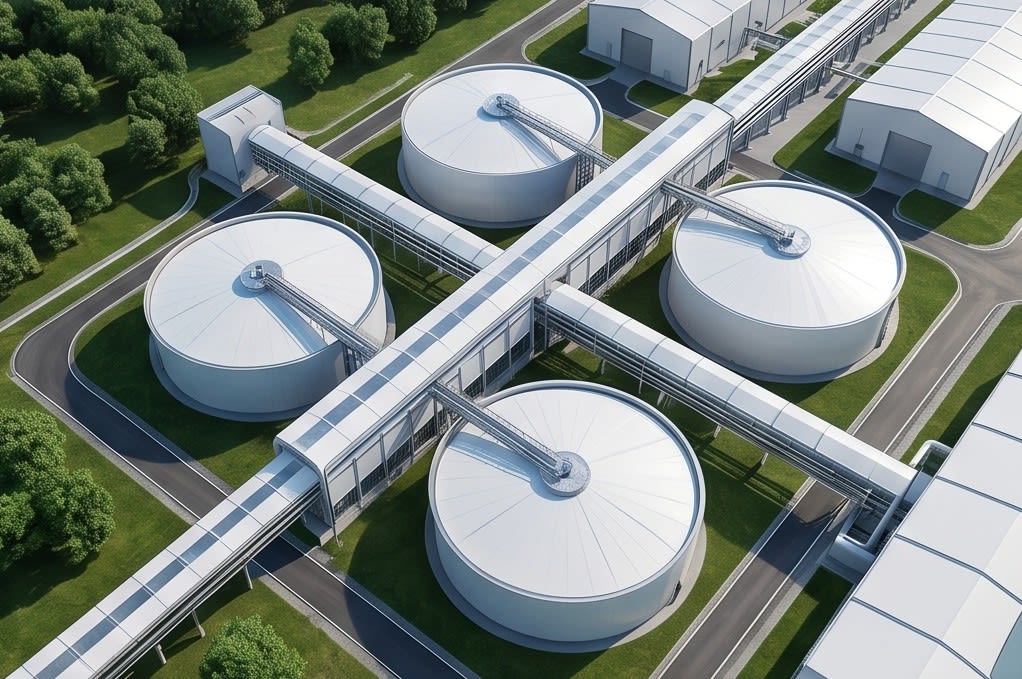
The combination of KoreaBest’s unique intelligent monitoring automation solution and ceramic filter technology with exceptional durability, described above, proves its true value most clearly in the composting process, which is known to be among the harshest and most difficult industrial processes for odor management. Because multiple processes are intricately connected, it has been difficult to find a solution through conventional simple ventilation methods. Composting facilities operated for resource recycling have long been considered nearly impossible to fully control because odors do not occur temporarily at a single point, but complex and dense odor gases are emitted throughout the entire processing sequence, including the following steps.
- Raw material collection stage for gathering basic materials
- Raw material mixing stage for evenly combining materials and additives
- Agitation fermentation tank stage that promotes high-temperature fermentation
- Curing tank stage that stabilizes fermented materials
- Compost packaging stage that fills standardized bags
Step-Specific Integrated Control System
To solve these challenges, smart odor sensors precisely arranged along each process line and powerful ceramic filter systems operate in real time through mutual coordination, from the raw material collection stage at the starting point of compost production to the final product packaging stage. When detection sensors accurately capture changes in odor-causing substances such as hydrogen sulfide and ammonia generated in the detailed processes of each stage, the system actively links and controls the intake air volume of the deodorization equipment and the treatment gas flow rate of the ceramic filter based on the analyzed data. Even when gas emissions fluctuate suddenly, the system responds flexibly on its own and consistently ensures optimal gas treatment efficiency.
Transition to a Future-Ready Clean Smart Factory
As a result, even inside extremely poor and complex composting process sites, managers no longer need to remain on site at all times for inspections, making it possible not only to prevent safety accidents but also to allocate idle personnel more efficiently. This brings practical benefits across the entire facility, including a comfortable and hygienic working environment for workers, a clear resolution to chronic odor conflicts with nearby communities, and stronger eco-friendly competitiveness. Ultimately, the close technological convergence of software and hardware completed by KoreaBest clearly presents a reliable solution for transforming traditional resource recovery sites, which have struggled with aging workforces and odor complaints, into intelligently controlled and efficiently operated future-ready clean smart factories.
An Eco-Friendly Technology Partner for a Sustainable Tomorrow
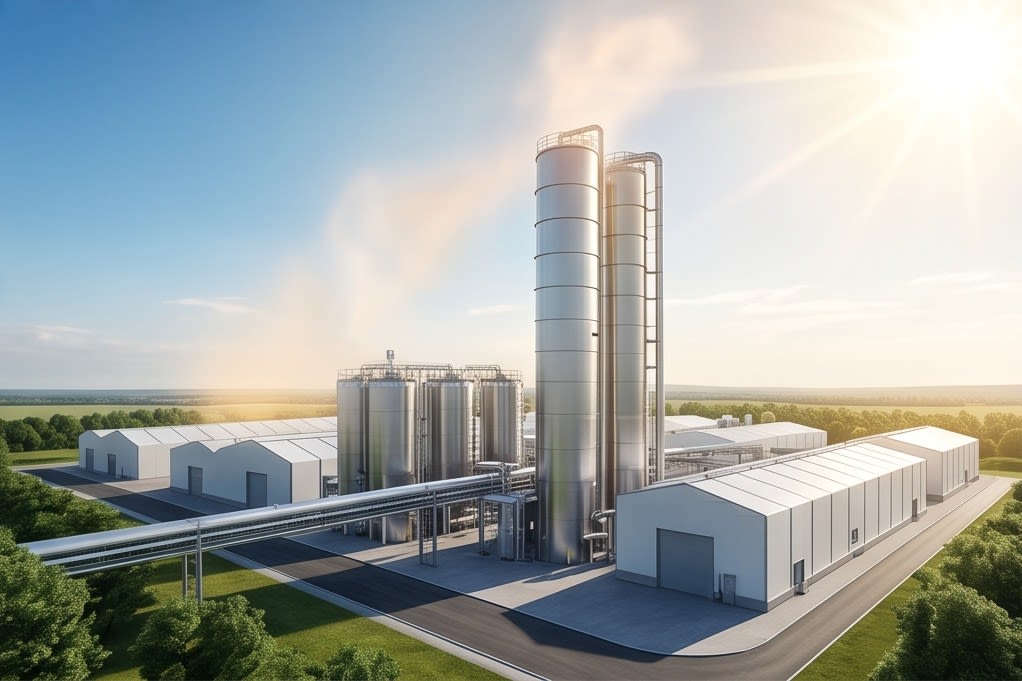
To the question of how far odor reduction technology can be automated, KoreaBest is providing the clearest answer through the combination of a real-time intelligent control system and ceramic filters that overcome previous limitations. The transformation of even composting sites that were difficult for people to monitor one by one into clean smart factories that control themselves without gaps proves that fully unmanned automation has already arrived around us. Beyond simply responding to environmental regulations, it will serve as a dependable technical partner on this smart journey toward harmonious coexistence with local communities and a sustainable tomorrow for businesses.
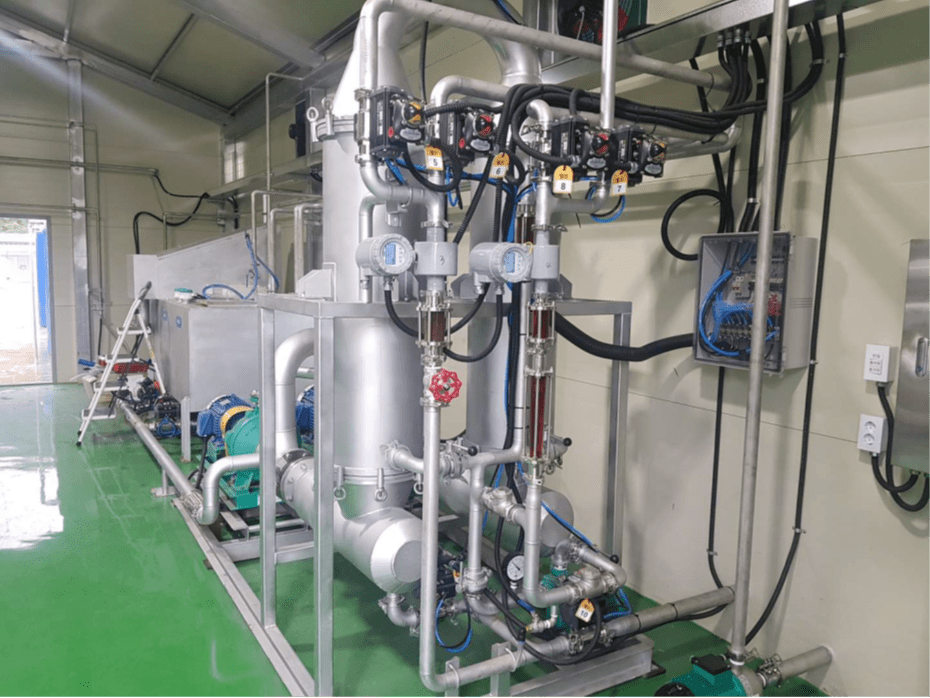
KoreaBest fundamentally solves persistent odor problems based on more than 20 years of experience and expertise, achieving both a pleasant working environment and effective environmental regulation response.
Contact
Phone : 041-632-0670
Email : kbeco@naver.com
Request a free consultation : http://www.kbeco.co.kr