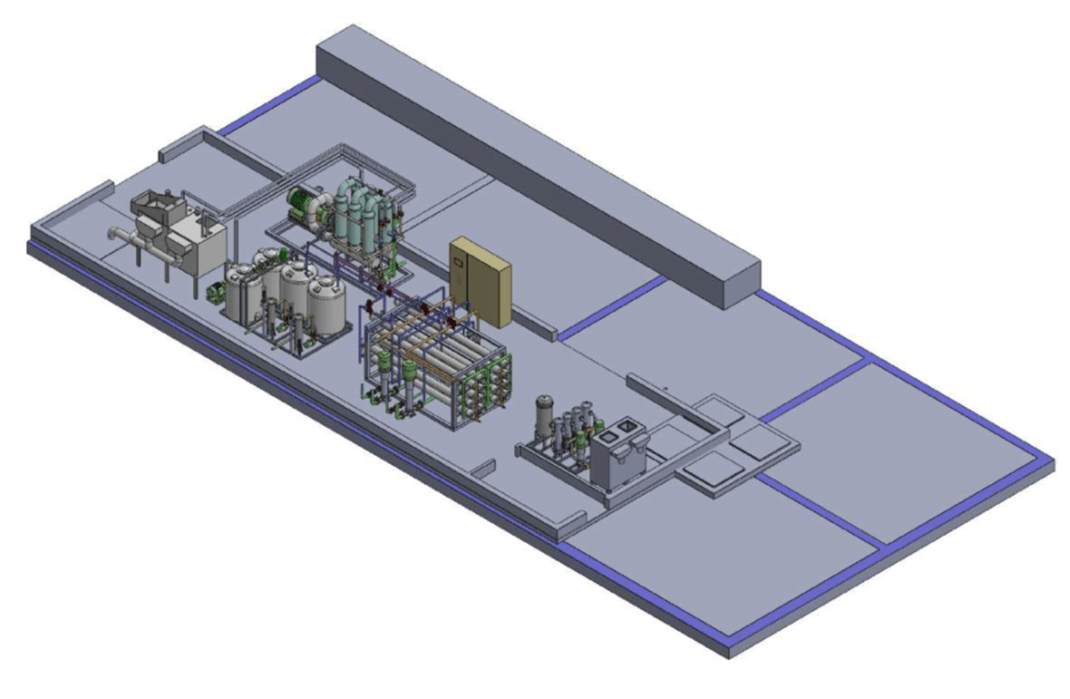
Composting is an essential process for resource circulation at farms and organic waste treatment facilities, but the piercing and severe odor is always a major cause of complaints from nearby residents and headaches for operators. But did you know that this terrible smell does not occur at a constant level throughout the process, and that there is a critical golden time when noxious gases are released explosively? If this timing can be controlled intelligently, it is possible to dramatically reduce odor complaints as well as unnecessary equipment operation energy. Today, together with KoreaBest, a leader in eco-friendly engineering, we will take a closer look at the smart control timing that most effectively captures odors in the composting process and the scientific solution behind it.
Understanding Each Stage of the Composting Process, the Core of Resource Circulation
Sequential Stages of the Composting Process
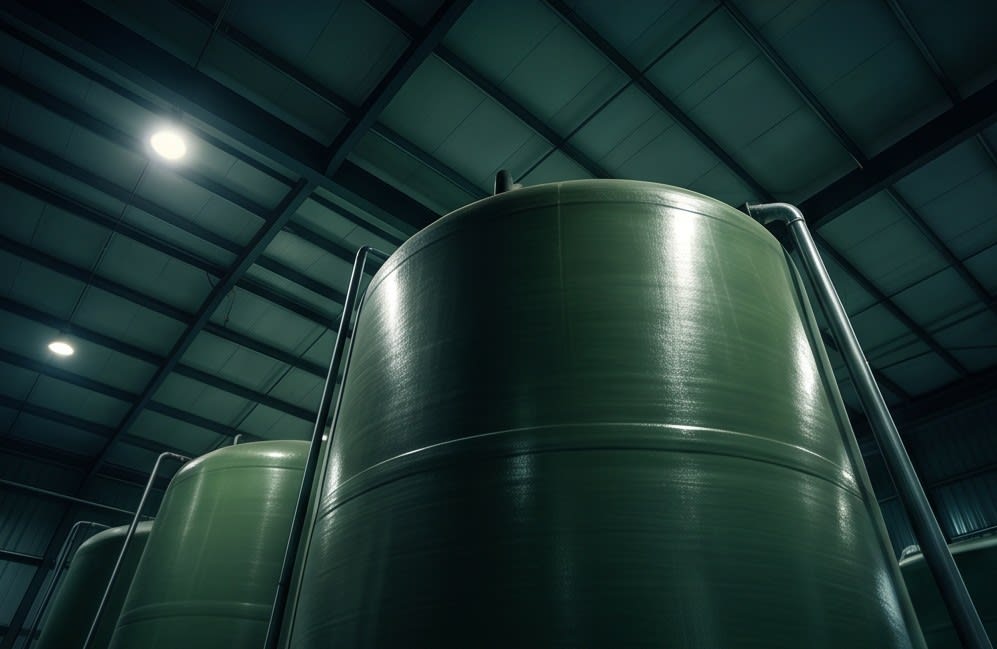
Farms and organic waste treatment facilities generate enormous amounts of byproducts every day. If these wastes are left unattended, they become a major cause of environmental pollution, but when they go through the proper process, they can be transformed into compost, a valuable resource essential for farmland. The composting process, which can be called the core of resource circulation, proceeds through highly systematic and detailed stages. The specific process stages are as follows.
- Collecting raw materials to begin fermentation
- Mixing while adjusting moisture and carbon sources
- Agitation that decomposes organic matter while generating heat
- Curing to stabilize the decomposed organic matter
- Packaging to distribute finished compost to farms
Each stage is an essential process that organic matter must go through to return to healthy soil.
The Absolute Golden Time That Determines the Success of Odor Control
Key Sections Where Odor Occurs Intensively
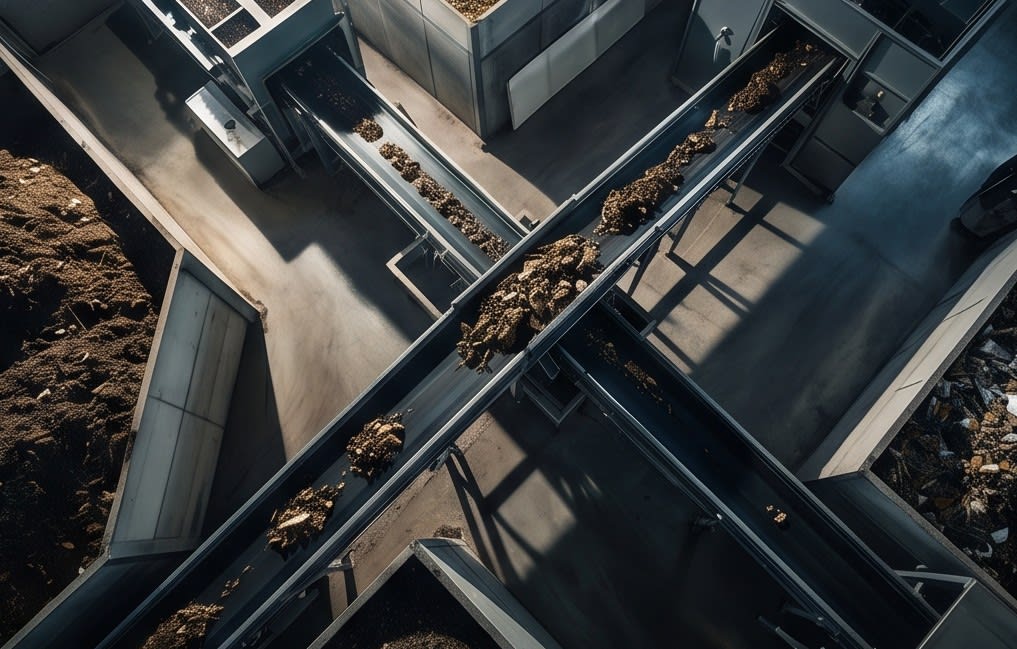
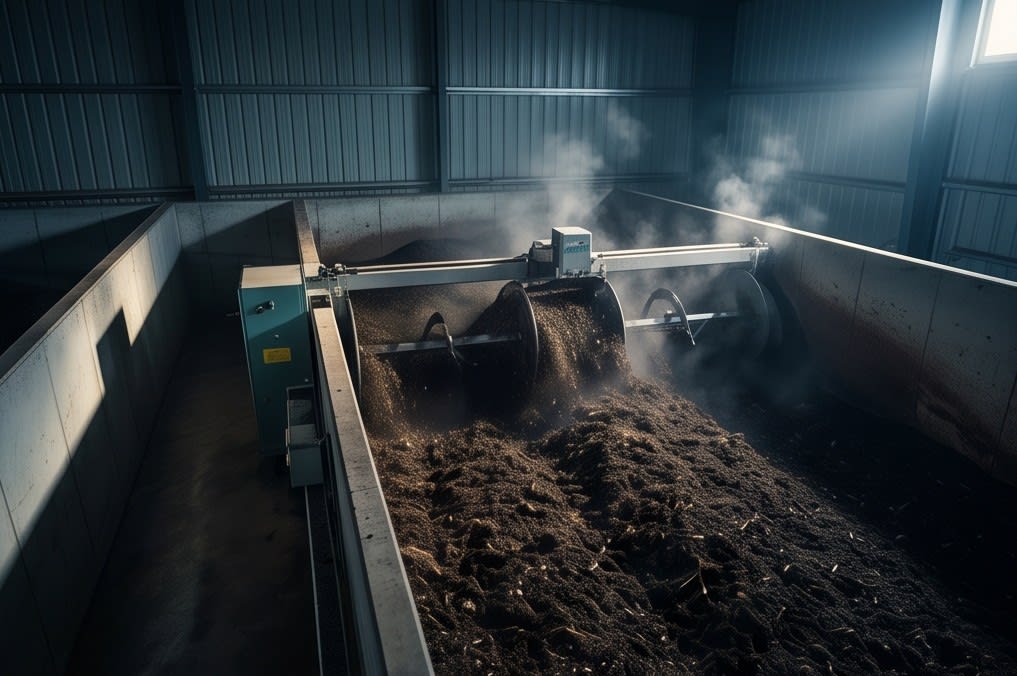
However, behind this beneficial resource recycling process, there is a major barrier that constantly torments operators. It is the problem of piercing odor. What is interesting is that odors of the same intensity are not released consistently from every area or every process stage within a composting facility. There are clear key sections where odor is released most severely, and they are the raw material mixing stage and the agitation fermentation stage, where microorganisms begin to decompose organic matter explosively. In these early stages, trapped gases are released all at once, or high concentrations of odor-causing substances are discharged intensively in a short time due to the rapid metabolic activity of microorganisms.
The Importance of Early Control and Customized Solutions
This early fermentation stage is truly the absolute golden time that determines the success of odor control. If this timing is not predicted correctly, or if the initial control design is insufficient and the gas cannot be controlled, the odor will quickly spread in all directions, causing severe complaints from surrounding communities and leading to strict sanctions from environmental management authorities. Once the trust of residents is lost, recovery becomes several times more difficult. Therefore, to design a successful composting facility, it is essential not to vaguely manage the entire process, but to take an intelligent approach that strategically targets the specific sections where odor peaks. KoreaBest precisely analyzes the generation characteristics by process and the behavior of gases, providing customized comprehensive solutions that can accurately control the timing when odor surges most strongly and clearly resolving difficulties in the field.
Critical Timing Captured by Intelligent Monitoring and Precision Sensors
Real-Time Intelligent Integrated Monitoring System
Then how can the decisive timing of odor generation, which fluctuates irregularly throughout operation, be captured with remarkable precision and handled efficiently? Analog methods such as relying simply on human smell or manually operating equipment at times when odor is expected cannot fully cope with the constantly changing condition of organic waste. Therefore, KoreaBest presents an intelligent integrated monitoring system using advanced technology and high-performance precision environmental sensor technology as the clear answer. This system goes beyond simply checking whether a reduction device is turned on or off. It tracks the gas conditions inside and outside the deodorization tower, a representative odor reduction facility, in real time and clearly shows in numerical data how effectively the facility is actually filtering odor substances, including its specific reduction efficiency.
Immediate Control Through Second-by-Second Detection
The microbial activity of organic waste constantly changes depending on the characteristics of incoming raw materials, season, temperature, and humidity. Therefore, the timing when gas surges inevitably changes slightly every day. KoreaBest precision environmental sensors detect these subtle changes second by second and immediately identify in real time the golden time when gas emissions increase abnormally. As soon as the sensor detects an odor peak signal, the system raises the operating rate of the reduction equipment to the maximum and blocks leakage to the outside at the source. Conversely, during stable periods when gas generation decreases significantly, the system lowers equipment output or operates it in an optimized state.
Synergy Effects of Energy Savings and Complaint Resolution
This data-based smart timing control creates tremendous synergy effects in many ways. By moving away from the inefficient method of continuously operating blowers and reduction devices at maximum output all day out of concern for odor complaints, it becomes possible to dramatically reduce the massive electricity consumption and equipment operation energy required for plant operation. At the same time, it operates powerfully at exactly the necessary moment and thoroughly captures even subtle odors that could leak outside, noticeably reducing the rate of complaints. A system that controls equipment at the most intelligent moment through precise real-time data analysis, beyond the continuous operation of simple machinery, becomes a powerful key to long-term and stable eco-friendly facility operation.
The Final Gatekeeper That Overcomes Harsh Environments, High-Performance Ceramic Filters
Limitations of Existing Filtration Technology and Harsh Gas Environments
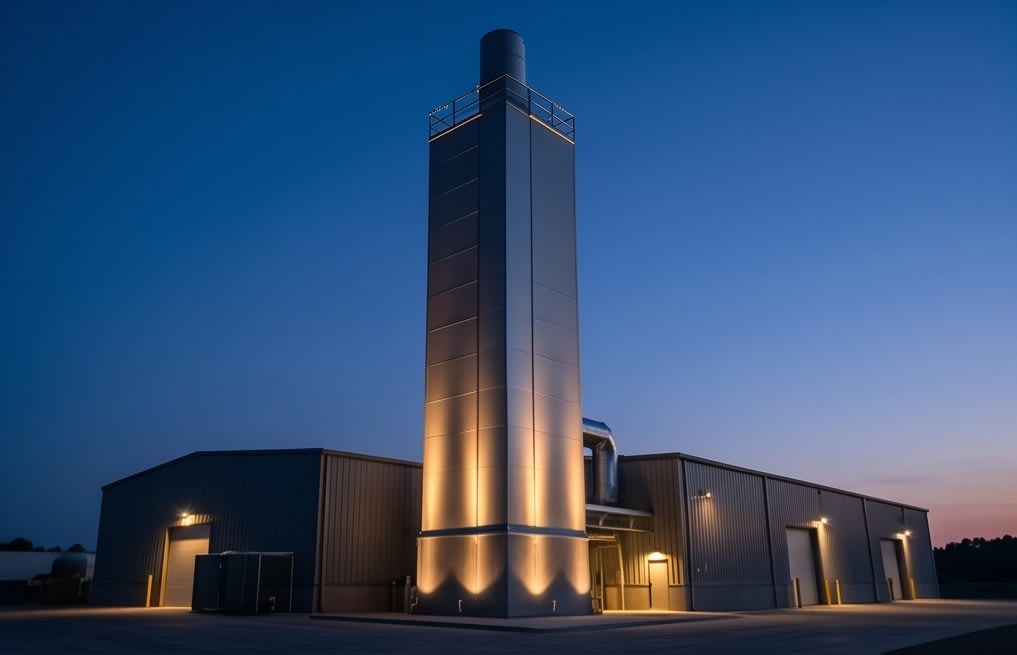
Once an advanced integrated monitoring system has been introduced and the decisive timing when odor spikes the most has been accurately captured, the role of the final gatekeeper that actually filters those high-concentration toxic gases cleanly becomes extremely important. The gases emitted during the early fermentation and agitation stages of the composting process are on a completely different level from the light odors we encounter in daily life. These gases not only have piercing odors, but also contain extremely high temperatures and abundant moisture due to active microbial activity, along with large amounts of strong acidic and alkaline chemicals such as ammonia and hydrogen sulfide. General filtration technologies that have been widely used, such as hollow fiber membrane filters or flat sheet membrane filters, face fatal limitations because they cannot withstand such hot, humid, and chemically harsh gas components for long periods and easily corrode or become clogged. When filters break down frequently, facilities inevitably face not only frequent replacement costs but also the difficult situation of operation being stopped during replacement work.
Outstanding Durability and Convenience of Ceramic Filters
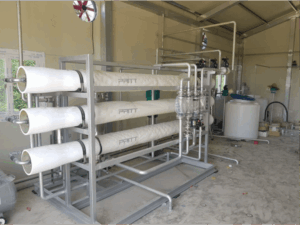
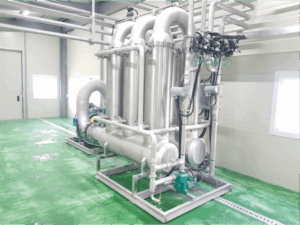
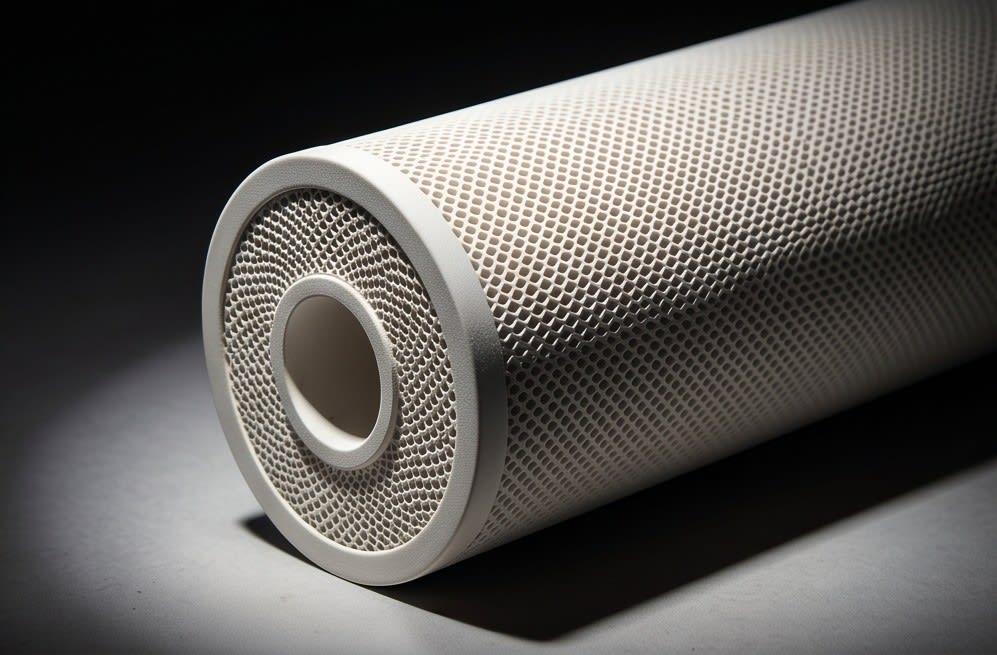
KoreaBest fully understood these difficulties in the field and solved the root of the problem by introducing high-performance ceramic filter technology that maintains consistent purification performance even in extremely harsh environments. The main features of ceramic filters are as follows.
- Excellent chemical resistance in the pH 1 to 13 range
- Outstanding heat resistance that withstands high temperatures up to 90 degrees Celsius
In addition, ceramic filters have excellent fouling resistance that prevents contaminants from sticking firmly to the filter surface or inside, significantly reducing clogging caused by fine particles in harsh gases. They also offer outstanding ease of management, and when not in use, they can be safely stored for long periods in a dry state, outperforming other technologies in terms of preservation. Ultimately, smoothly linking and operating high-performance ceramic filters equipped with strong durability and precise filtration capability in line with the peak timing when odor is released most violently is the most ideal completed scenario in eco-friendly engineering, capable of dramatically extending equipment life and maximizing odor reduction efficiency.

Toward the Future of Sustainable Resource Circulation
In the valuable resource circulation process where organic waste returns to healthy soil, the chronic odor problem has always been like a huge barrier that is difficult to solve. However, if the decisive timing when odor is released most severely is captured with real-time data and filtered through strong ceramic filters that overcome harsh environments, odor is no longer an unavoidable headache. Through the intelligent monitoring system and unmatched filtration technology presented by KoreaBest, we invite you to open the future of eco-friendly and sustainable resource circulation that maximizes operational efficiency without concern over complaints.
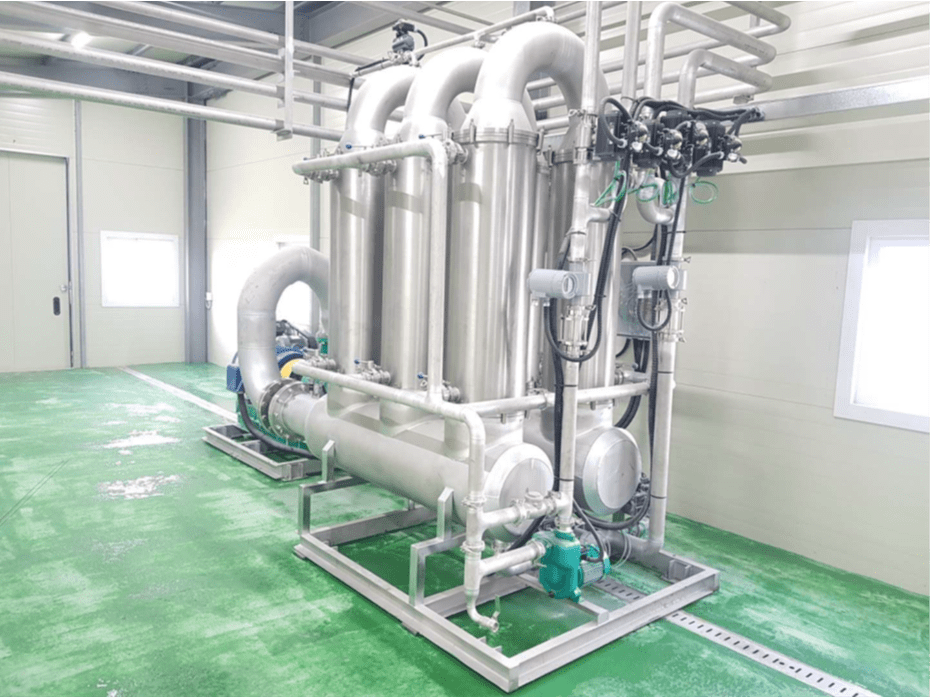
KoreaBest Co., Ltd. fundamentally resolves chronic odor problems based on more than 20 years of experience and expertise, achieving both a pleasant working environment and compliance with environmental regulations.
Contact
Phone: 041-632-0670
Email: kbeco@naver.com
Request a free consultation: http://www.kbeco.co.kr