
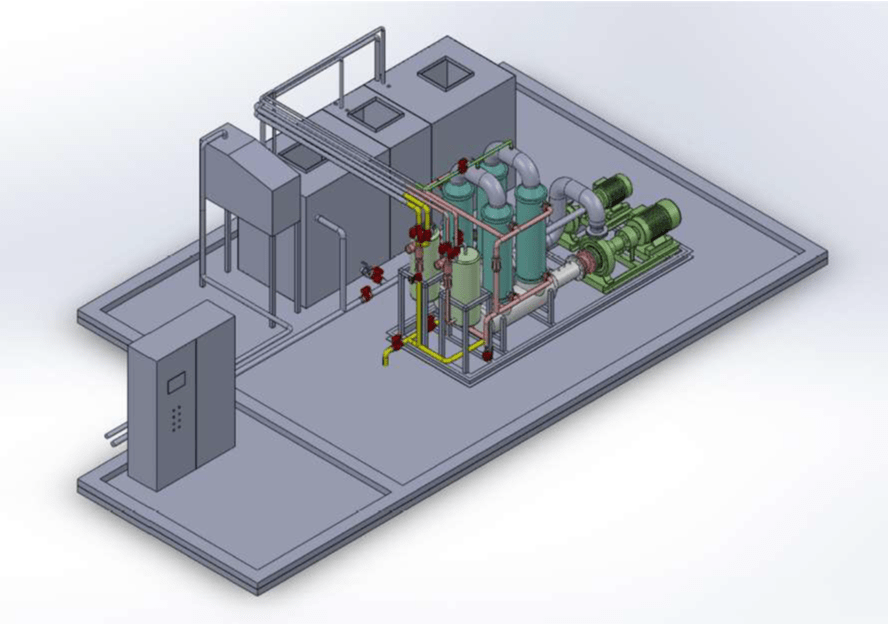
The composting process, which returns discarded organic waste to valuable resources, is truly a noble journey that helps save the planet. However, the severe odors and harmful gases inevitably generated during the process often become major obstacles that threaten the health of site workers and cause conflicts with neighbors. Is there a way to resolve this contradictory situation where a good intention to protect the environment ends up causing harm? Discover the moments when KoreaBest’s odor reduction system shines brightest, protecting peace at the site with outstanding filter durability and advanced monitoring technology even in the harshest environments.
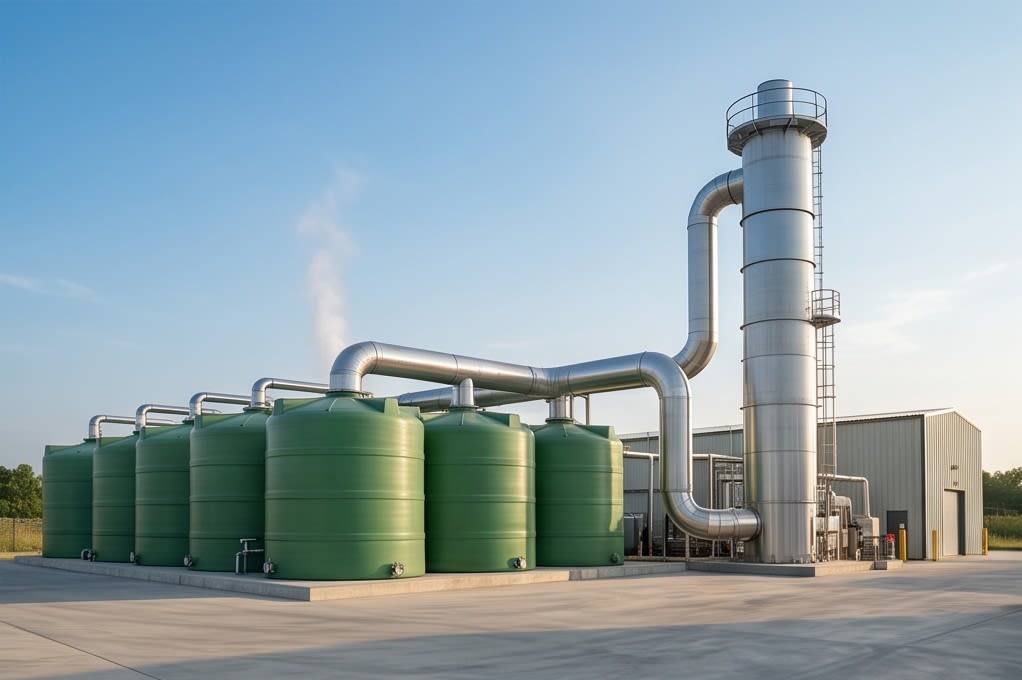
The Core of Resource Circulation, the 5 Stages of the Composting Process
The composting process for organic waste, which restores nature and circulates resources, may appear on the surface to be a simple cycle of soil. However, when you look inside, it is an advanced process where precise science and an organic system work together like interlocking gears. The composting process is closely connected through five key stages.
- Raw material collection: The stage of safely collecting organic waste
- Raw material mixing: Adjusting component ratios for microbial activity
- Agitation fermentation: Temperature rises and organic matter ferments and decomposes
- Curing tank stage: Stabilizing fermented organic matter over a long period
- Compost packaging: Producing standardized products for distribution to farms
Only when every process works seamlessly together can valuable eco-friendly resources finally be created.
A Major Obstacle in the Composting Process: Odor and Harmful Gas Issues
Harmful Gases That Threaten Worker Safety
However, this valuable circulation process has a major challenge that must be resolved. It is the powerful odor that inevitably occurs in agitation fermentation tanks and mixing processes where organic matter is intensely decomposed by microorganisms. This odor goes beyond simple discomfort because it is accompanied by various harmful gases such as hydrogen sulfide and ammonia, seriously threatening the respiratory health and safe working environment of workers who quietly carry out their duties on site.
Community Conflicts and Complaints
In addition, it can cause significant inconvenience in the daily lives of local residents living near the plant, becoming a main cause of frequent complaints and community conflicts. This creates an ironic situation where a business with the good intention of protecting the environment ends up causing harm to neighbors. KoreaBest resolves this contradiction and presents an optimal odor reduction solution so that the composting process can become a true value of coexistence, giving the site room to breathe.
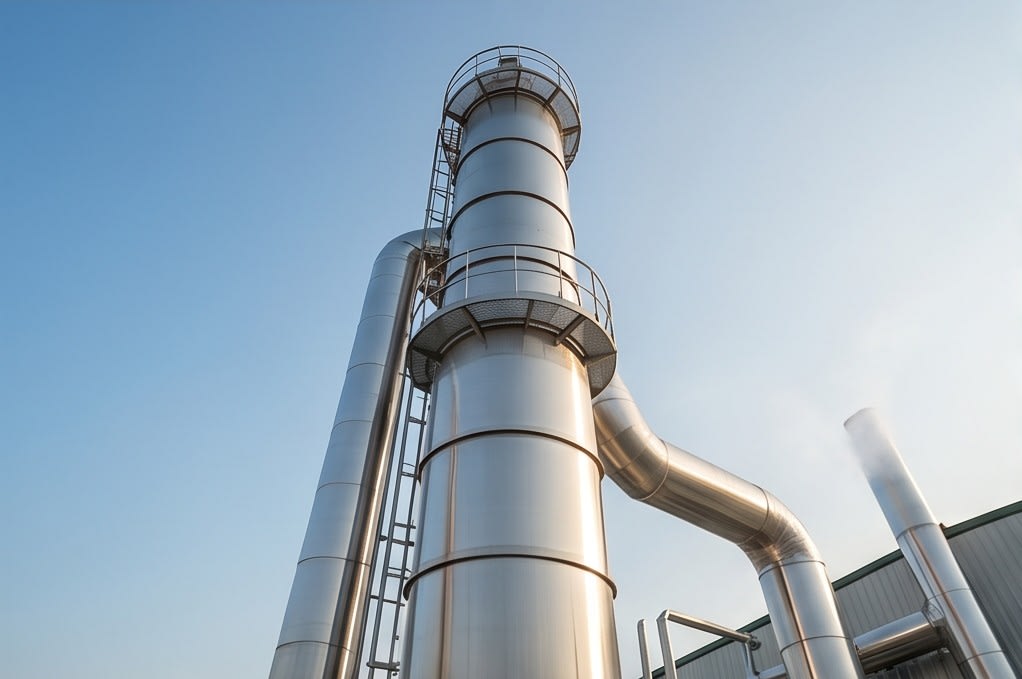
The Limits of Conventional Filters in Harsh Environments
Effects of High Temperature and Corrosive Gases
To effectively control odor gases generated at harsh industrial sites such as composting plants, the key is not only operating equipment but also how long and how stably that equipment can endure. Odor gases are usually very hot and contain large amounts of highly corrosive, strongly acidic or strongly alkaline chemicals, so the durability of the filter, which can be called the heart of the purification system, determines the lifespan and success of the entire system. These harsh environments are extremely difficult for ordinary filters to withstand.
Weaknesses and Operational Limits of Conventional Filters
Many conventional industrial sites have mainly used hollow fiber membrane filters or flat sheet membrane filters. However, due to their soft, organic-based material characteristics, these conventional filters have weak resistance to heat and chemicals. When continuously exposed to hot air and corrosive gases, they often deform easily or lose function as microscopic pores become clogged. Such frequent filter replacement leads directly to equipment shutdowns and heavy consumable cost burdens, acting as one of the biggest headaches and business challenges for plant operators.
KoreaBest’s Unique Ceramic Filter Solution
Outstanding Durability of Ceramic Filters
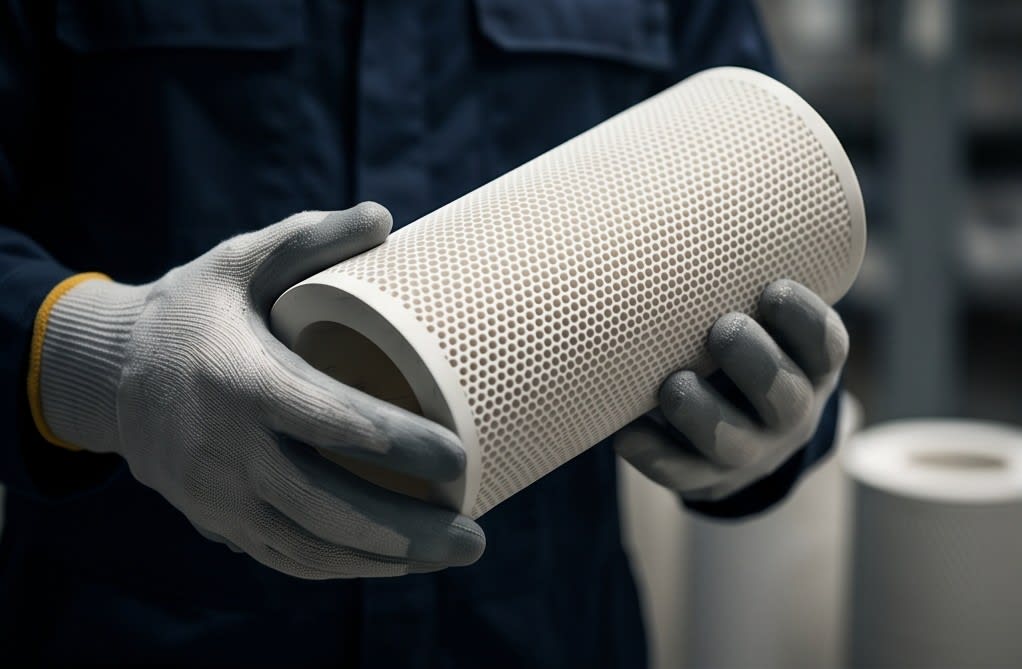
To fundamentally overcome these chronic site limitations, KoreaBest has introduced ceramic filter technology with unmatched durability. The main features of ceramic filters are as follows. Through these features, the shortcomings of conventional filters are fully addressed.
- No chemical corrosion even in extreme environments ranging from pH 1 to 13
- Maintains properties even in high-temperature air environments reaching as high as 90 degrees
- Sticky organic dust does not adhere thanks to excellent contamination resistance
- No performance degradation even when equipment operation is stopped and stored for a long period
Maintenance Cost Reduction Effect
Thanks to these overwhelming technical advantages, the filter replacement cycle is dramatically extended, allowing site managers to prevent unnecessary waste of maintenance manpower and costs while enjoying the most stable odor management effect over the long term. This provides a very significant economic advantage in long-term plant operation. As equipment stability increases, management convenience is also maximized.
Transparent Odor Control Achieved Through Smart Remote Management
Smart Monitoring Based on Real-Time Data
Even with outstanding ceramic filter performance, if it is not possible to objectively confirm in real time how well the equipment is capturing odors, it cannot be called a complete defense system. Since odor is invisible, an advanced system that precisely measures and manages actual operational efficiency is essential. KoreaBest has moved completely away from outdated methods that relied simply on administrator guesses or senses to determine operating status, and provides a smart remote management solution that integrates advanced environmental sensor monitoring technology.
This system measures the chemical concentrations inside the deodorization tower and the surrounding air quality status in real time with sensors, transparently showing through digital data what percentage of efficiency the odor reduction equipment is currently operating at. As a result, site managers can monitor the equipment status at a glance from a safe office or outside through computers and mobile devices, without directly approaching deodorization equipment filled with toxic gases.
Expected Benefits of Smart Remote Management
The main advantages of the smart remote management system are as follows.
- Secures the safety of site workers through remote monitoring
- Immediately detects subtle signs of equipment abnormalities to prevent accidents
- Provides real-time data to prevent conflicts with nearby residents
- Can be used as supporting evidence to respond to strict government environmental regulations
Through this system, it becomes a powerful tool that secures both corporate environmental responsibility and social trust. Transparent data disclosure helps prevent unnecessary misunderstandings. As a result, it plays a major role in realizing coexistence with the local community.
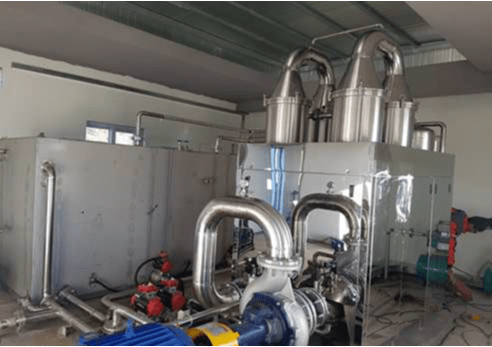
The Completion of Eco-Friendly Technology for Coexistence and Trust
For the noble journey of resource circulation that protects the environment to avoid being diminished by the obstacle of odor and instead become a true blessing for both the local community and workers, technological innovation must ultimately support it. KoreaBest is transforming the invisible anxiety of industrial sites into dependable peace of mind through robust ceramic filters that withstand harsh environments and transparent smart monitoring technology. With this reliable solution that creates clean sites where nature and people coexist peacefully, complete the moment when the true value of eco-friendliness shines most beautifully.
KoreaBest Co., Ltd. fundamentally solves chronic odor problems based on more than 20 years of experience and expertise, realizing both a comfortable working environment and compliance with environmental regulations.
Contact
Phone: 041-632-0670
Email: kbeco@naver.com
Request a free consultation: http://www.kbeco.co.kr

Related posts:
 KoreaBest Environment Odor Response Strategy: Smart Monitoring, Ceramic Filters, Composting Process
 Three Innovative Technologies of KoreaBest: Integrated Odor Management, Ceramic Filters, Waste-to-Compost Process
 The Golden Time for Reducing Odors in the Composting Process: KoreaBest’s Intelligent Control Solution