The composting process that transforms organic waste into valuable resources plays a pivotal role in achieving a sustainable environment. It significantly contributes to realizing a circular economy and reducing landfill waste. However, despite these positive values, composting facilities face chronic odor problems that lead to complaints from residents and operational challenges. The unpleasant smell causes severe inconvenience to nearby residents, which subsequently becomes a social and economic burden for the facility operators. Ultimately, odor issues are the biggest obstacle to the stable and long-term operation of composting facilities.
So where does the odor in the composting process originate, and how can we effectively address this problem? KoreaBest provides an in-depth analysis of the fundamental causes of odors at each process stage and offers practical solutions. Effectively controlling odors is not just about alleviating immediate discomfort but also enhancing the efficiency of compost production and fulfilling corporate social responsibility.

Odor Causes and Management in the Collection and Mixing Stage
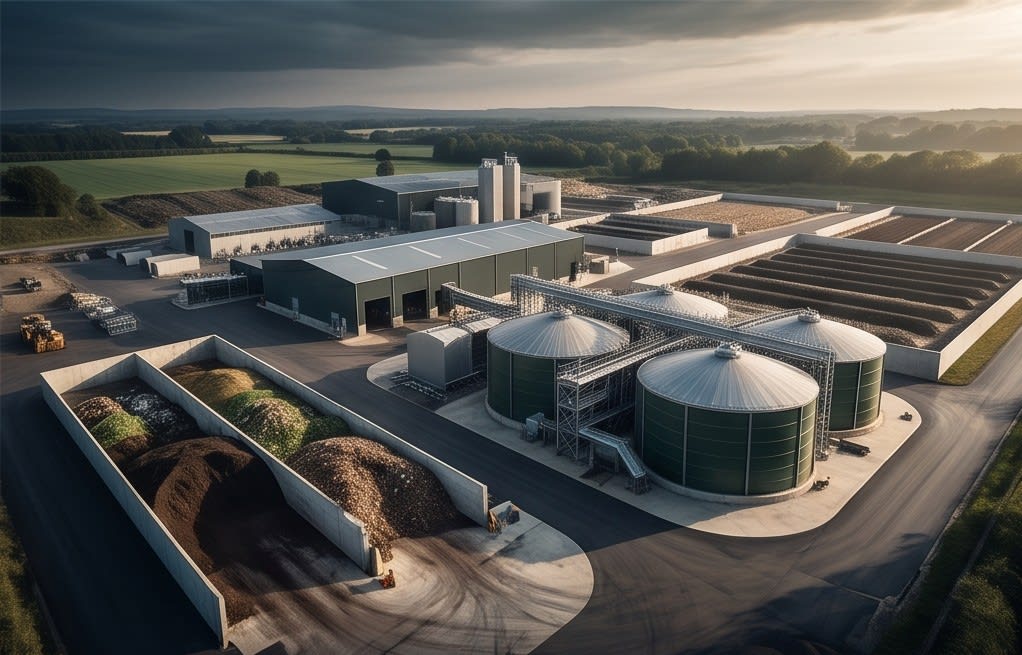
The first step in the composting process, which involves collecting and mixing the raw materials, is the most critical starting point for odor generation. If the organic waste, which serves as the raw material for compost, loses freshness and begins to decompose by the time it is brought in or if it is left untreated for an extended period, anaerobic decomposition will inevitably proceed rapidly due to a lack of oxygen. This anaerobic decomposition generates large amounts of compounds that cause unpleasant odors, such as hydrogen sulfide and mercaptans, just like the strong smell from decaying fruit.
In addition, if the carbon-to-nitrogen ratio (C/N ratio) or the appropriate moisture content is not achieved when mixing the raw materials, the fermentation process can proceed abnormally, exacerbating the odors. To effectively block early-stage odors, the following measures are important:
- Immediate processing and proper environmental storage upon raw material delivery
- Application of precise raw material mixing techniques to optimize microbial activity
KoreaBest’s Initial Odor Control Solution
KoreaBest promises an environmentally friendly solution from the first phase of the composting process by providing quick operation of deodorization equipment upon raw material delivery and offering expert design and construction efficiency.
Complex Odor Generation in the Aeration Fermentation and Curing Tank Stage
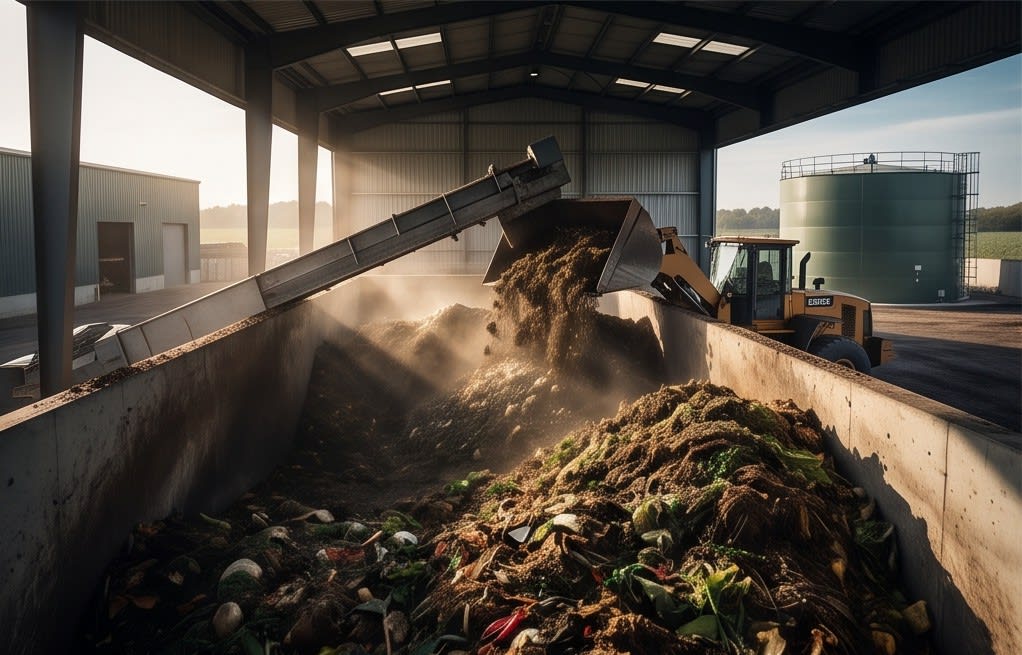
After raw material mixing, the process moves to the aeration fermentation tank and curing tank stages, where microbial activity is at its peak. This key process is where organic matter is actively broken down, generating various volatile organic compounds that are the main causes of complex odors. Odors at this stage not only cause discomfort but can also significantly impact the living environment of nearby residents, necessitating meticulous management.
Especially if sufficient oxygen supply is not maintained inside the fermentation tank, allowing for an aerobic environment, anaerobic microorganisms, which do not require oxygen, will rapidly proliferate. These anaerobic microorganisms produce more potent and stimulating odorous substances in large amounts, such as ammonia and amines, similar to how items develop mold and a musty smell when not properly ventilated during drying. Addressing these issues requires attention to the following:
- Maintaining an aerobic environment through sufficient air supply inside the fermentation tank
- Inducing uniform fermentation through regular stirring
KoreaBest’s Fermentation Tank Odor Control Technology
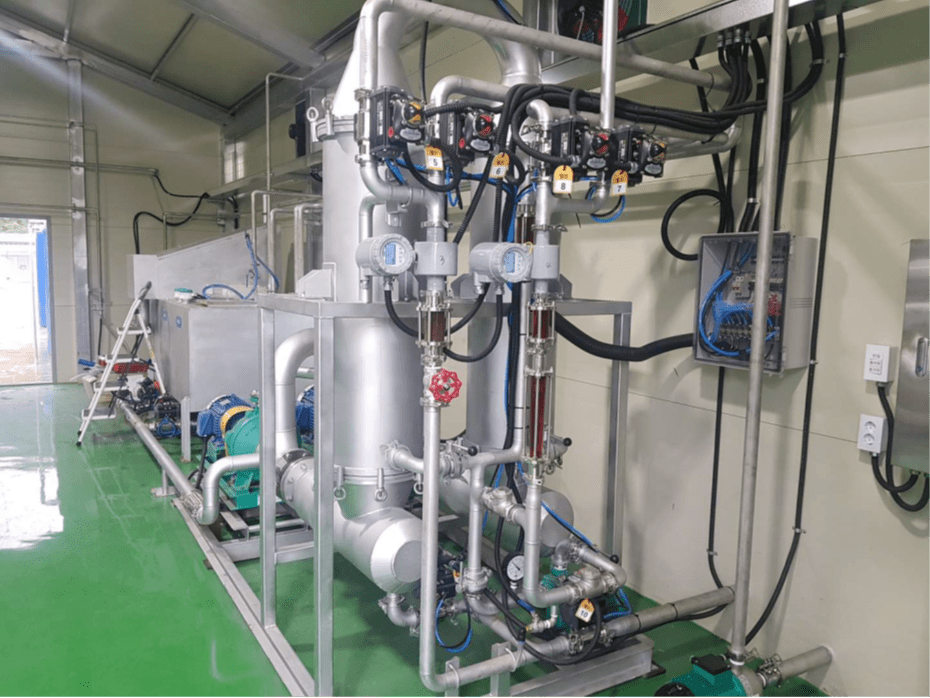
To effectively control odors at this critical stage, KoreaBest optimizes the fermentation environment by incorporating a precise process control system. Additionally, advanced air treatment facilities like biofilters or scrubbers ensure the complete purification of odorous air before it is discharged outdoors, creating a pleasant odor-free environment and contributing to high-quality compost production.
Residual Odor and Quality Management in the Compost Packaging Stage
Finally, at the composting process’s last stage—compost packaging—the efforts in odor management are ultimately evaluated. Residual odors at this stage often indicate inadequate odor management in previous processes or that the final produced compost is ‘immature compost’ that has not been fully cured. Well-cured compost emits a relatively inoffensive earthy smell, while immature compost continually emits unpleasant odors even when packaged, leading to complaints. Therefore, the quality management of the final compost is the last and most crucial step in odor reduction.
Moreover, even if not visible, tiny gaps or airflow during the packaging process might allow odors to escape, requiring thorough management until final discharge. To effectively block odor leaks at the last stage, KoreaBest prioritizes the following:
- Strengthening sealing around the packaging facility to flawlessly block odor emissions
- Introducing independent air purification systems to create a pleasant environment
KoreaBest’s Final Odor Blocking Expertise
As a registered air environment specialized engineering company, KoreaBest offers comprehensive system design and construction expertise to minimize and efficiently purify odor emissions across the entire composting process. Through precise diagnostics for each stage and tailored solutions based on the situation, KoreaBest helps realize sustainable compost production free from odor issues.
The odor problems in the composting process are not just immediate inconveniences but significant variables in achieving greater values like sustainable resource circulation and environmental protection. Only by accurately understanding the odor generation mechanisms at each stage and applying customized solutions can we fully harness the potential of organic waste. With its expertise in air environment technology, KoreaBest provides comprehensive design and construction expertise to address these complex odor issues, contributing to a future where we can all thrive together through a pleasant environment and high-quality compost production.
Limited liability company KoreaBest, with over 20 years of experience and expertise, fundamentally resolves chronic odor issues, achieving a comfortable work environment and environmental compliance simultaneously.
Contact Information
Phone: 041-632-0670
Email: kbeco@naver.com
Request Free Consultation: http://www.kbeco.co.kr