Amid odor complaints that arrive almost every day and increasingly strict air environment regulations, passive after-the-fact responses no longer have a place. Manually measuring gas concentrations that change every moment and adjusting equipment by hand cannot keep up with rising costs and the risk of management blind spots. Then how far has today’s odor reduction technology advanced in smart automation that can judge and control on its own? Introducing the innovative solution from KoreaBest, which combines unique ceramic material technology with an intelligent real-time monitoring system to lead air management at demanding industrial sites to a fully automated stage.
Odor Reduction Technology Evolving Through Smart Automation
The Need for Smart Automation for Proactive Response
Odors generated at many industrial sites today have become a critical issue that goes beyond simply causing complaints and can determine corporate survival and sustainable management. In the past, when complaints were received about smells around a factory, responses were mainly after-the-fact measures such as hurriedly operating deodorization equipment manually or spraying deodorizing agents. However, as social standards for the environment become stricter and regulations become more detailed, these passive methods can no longer handle increasing management costs and the risk of administrative penalties.
Now is the time when a proactive and systematic system that can detect and respond before odors leak outside is essential. In line with this trend, odor reduction technology is rapidly moving away from traditional methods that relied on workers’ eyesight or sense of smell and evolving into smart automation where equipment judges and controls itself based on real-time data.
Intelligent Monitoring System Using Real-Time Data
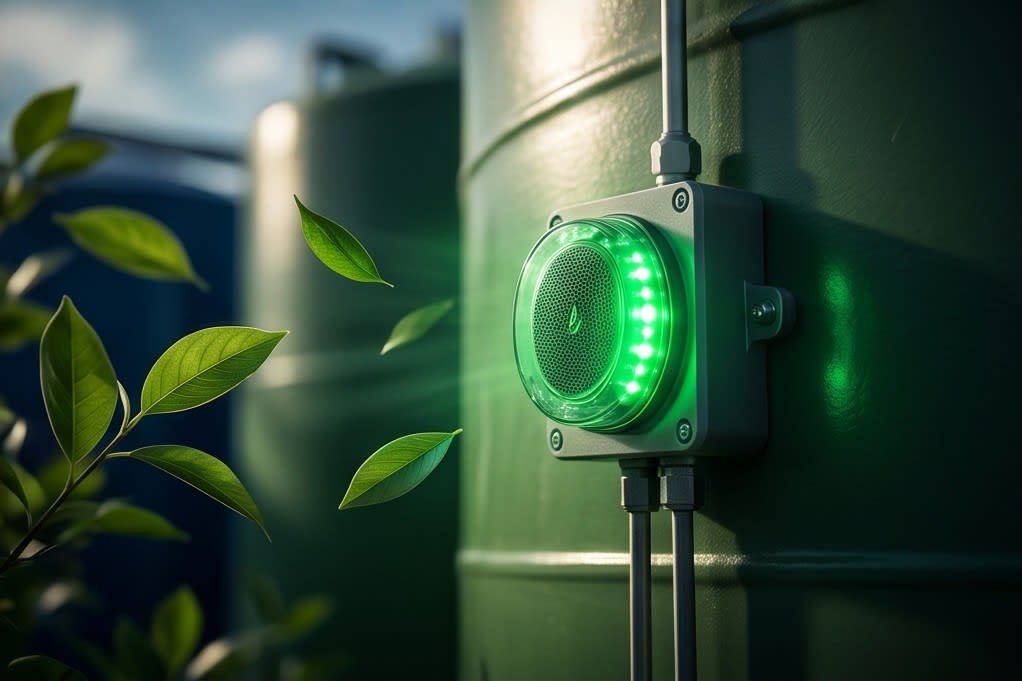
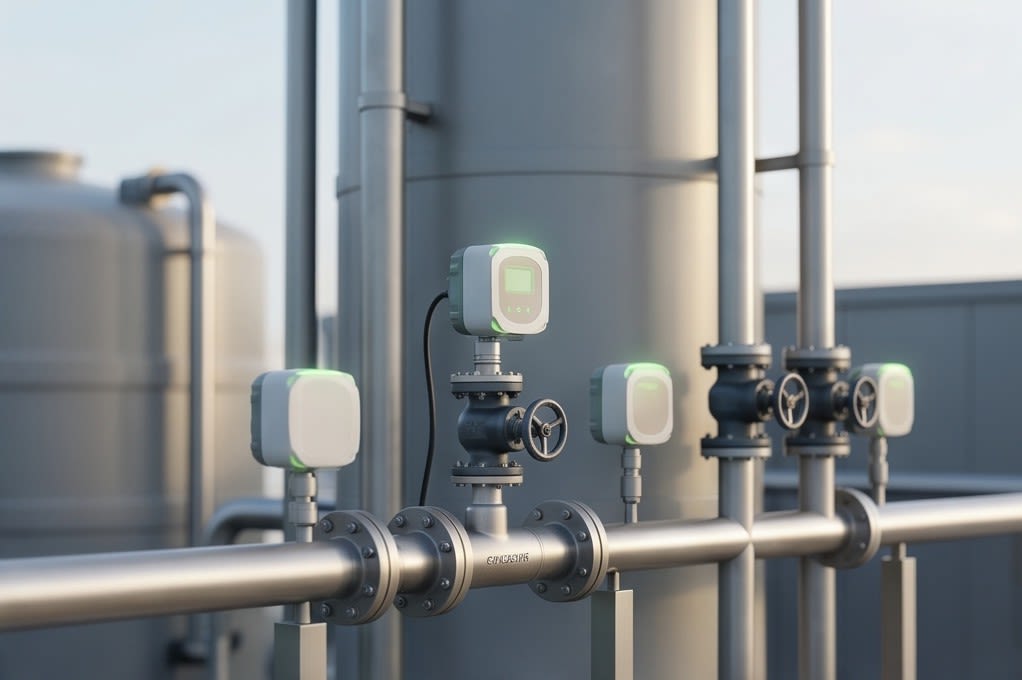
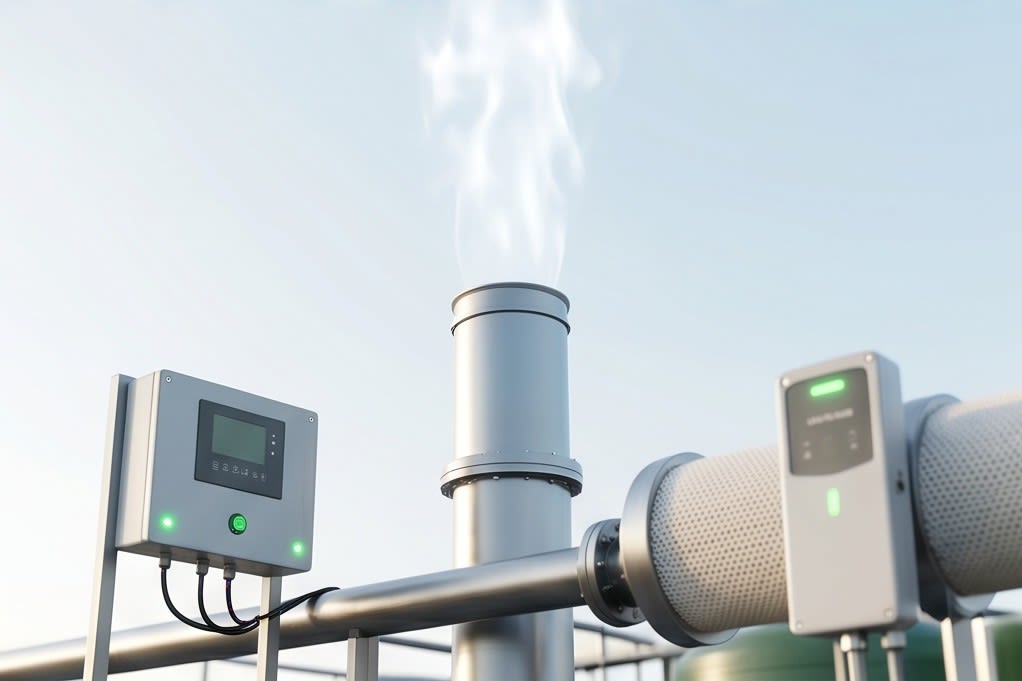
KoreaBest, standing at the center of this technological trend, is drawing attention in the environmental engineering industry by introducing an intelligent monitoring system that comprehensively manages the actual operating status and efficiency of reduction equipment in real time. This system densely places precision environmental sensors around production lines and outlets where odors may occur, collecting even subtle changes in gas concentration in real time.
The collected data is immediately transmitted to an artificial intelligence-based analysis platform, and the system uses it to visualize how effectively key reduction facilities, including deodorization towers, are operating through real-time collection efficiency indicators. As a result, site managers can understand the air environment of the factory at a glance through an intuitive screen without having to compare complex figures one by one.
Air Quality Customized Precision Control and Expected Effects
Ultimately, the essence of odor reduction automation goes beyond a simple timer function that turns machines on and off. It lies in precision control that automatically adjusts equipment operating intensity according to real-time air quality data. The solution proposed by KoreaBest lowers equipment operation rates when gas concentrations are low to reduce unnecessary power consumption, and when high-concentration odors suddenly flow in, it automatically raises operation rates to the maximum to thoroughly filter air pollutants.
Thanks to this seamless automatic control, companies can maintain complete air management 365 days a year even during management blind spots such as nights and weekends, while securing a solid technological foundation that further enhances coexistence with the local community and sustainable corporate credibility.
Hardware That Withstands Harsh Environments, Unique Ceramic Filter Technology
Limitations of Conventional Filters and the Importance of Hardware Durability
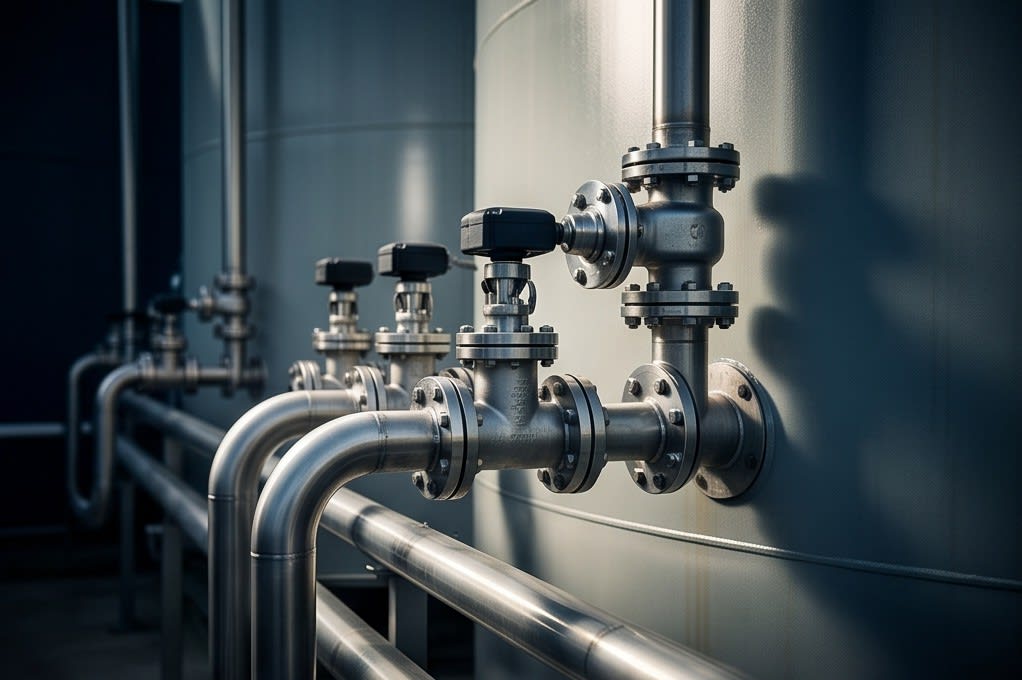
No matter how highly precise a real-time monitoring system and sophisticated artificial intelligence control software may be, if there is no hardware capable of withstanding harsh industrial environments filled with corrosive gases and moisture, that automation system is like a castle built on sand. The heart of reduction equipment that absorbs and filters odors is ultimately the filter, but hollow fiber membrane filters or flat sheet membrane filters commonly used in the existing market have limitations. When continuously exposed to harsh chemicals and high-temperature exhaust gases, they can easily tear or deform.
When a filter is damaged, not only does the filtration efficiency of the equipment drop sharply, but replacing it also requires stopping the factory line and having workers enter dangerous internal equipment to perform manual replacement. This breaks the continuity of automation and creates significant maintenance costs.
Key Features of KoreaBest Ceramic Filters
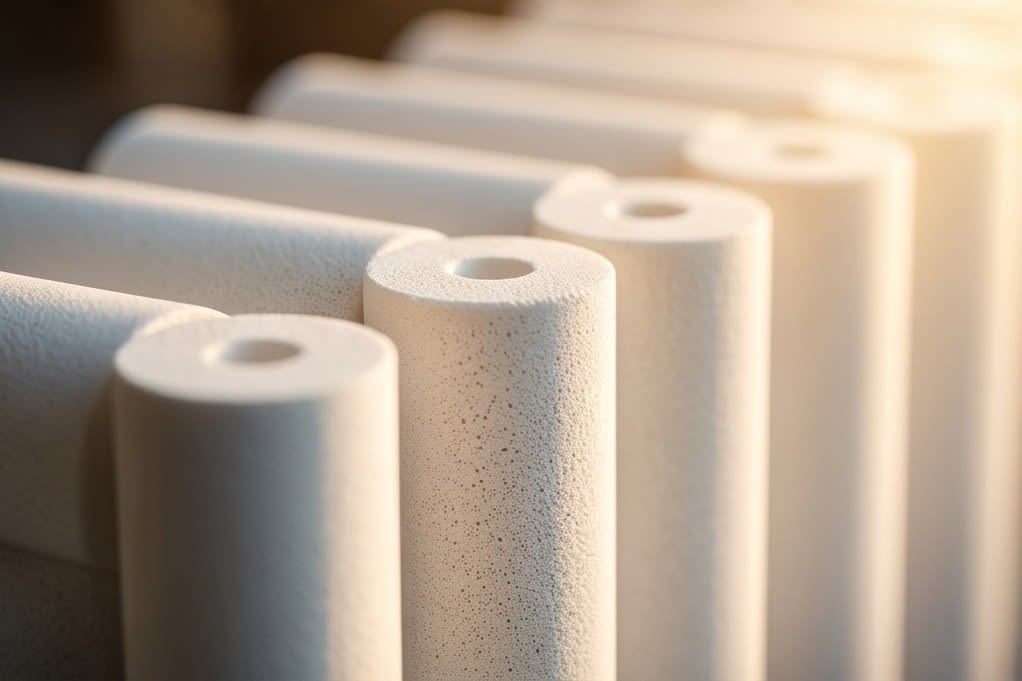
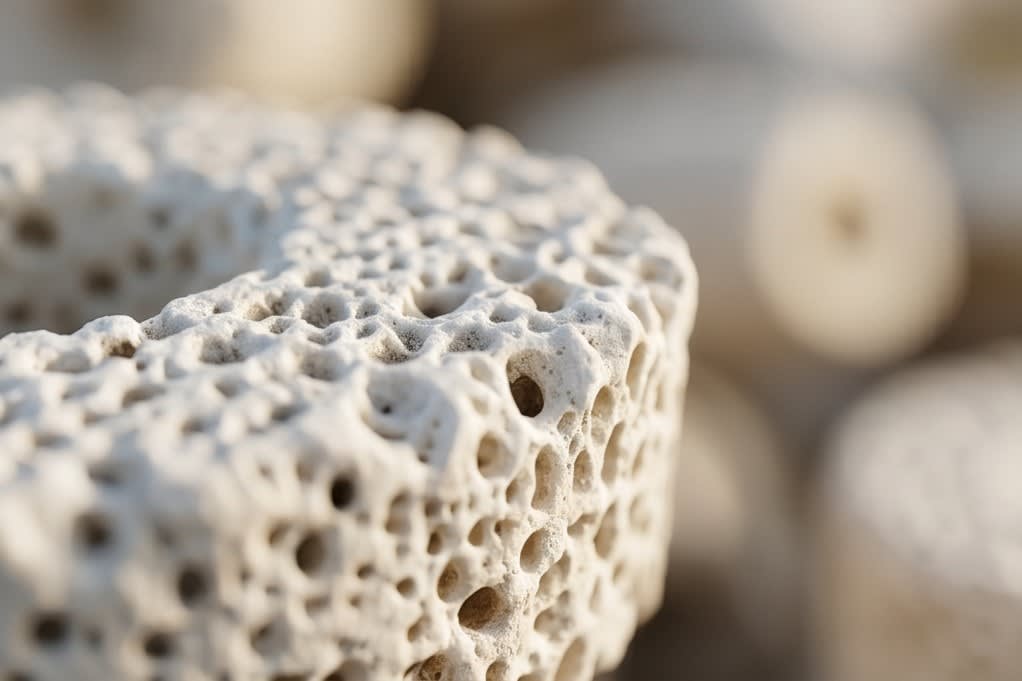
To overcome these hardware limitations, KoreaBest developed ceramic filter technology with exceptional durability, maximizing system stability. The main features of ceramic filters, an inorganic material made by firing clay, are as follows.
- Withstands powerful chemical stimulation from strong acidity at pH 1 to alkalinity at pH 13 without corrosion
- Operates without deformation even at high temperatures of 90 degrees Celsius, which ordinary plastic filters cannot withstand
- Prevents clogging because fine dust and sticky organic pollutants do not easily adhere to the surface
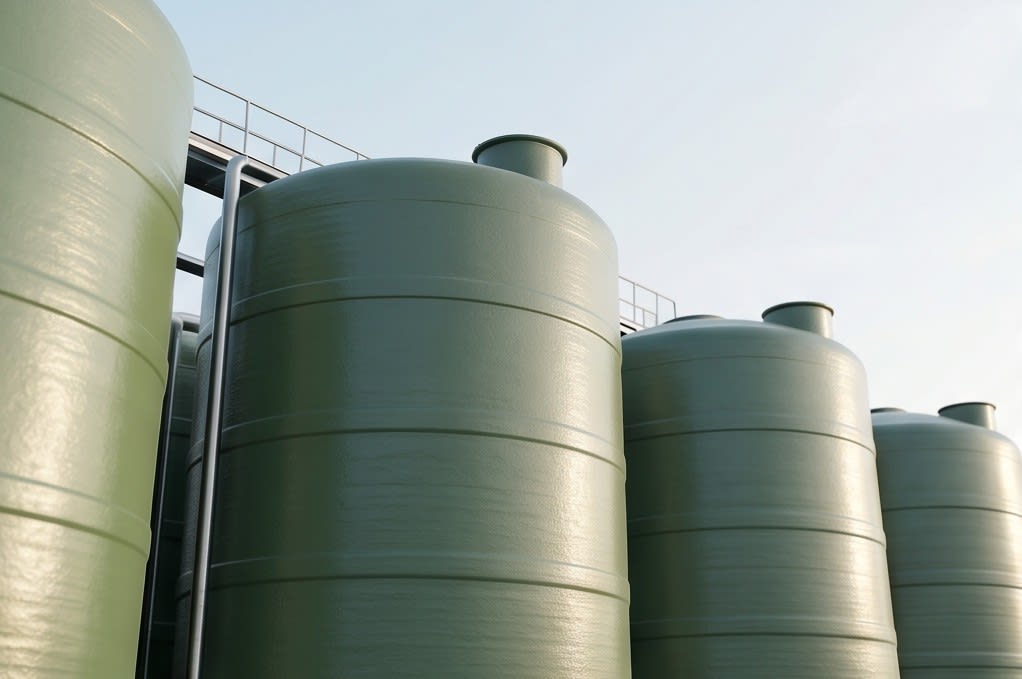
As a result, there is almost no reduction in operating efficiency caused by filter clogging, and even when equipment must be stored in a dry state for a long period, filter performance does not deteriorate, providing excellent equipment preservation.
Economic Synergy Between Ceramic Material Technology and Automated Control
The combination of powerful ceramic material technology that delivers consistent performance even in harsh environments and automated control through real-time data dramatically reduces the need for on-site worker management. From a company perspective, this greatly reduces material and labor costs associated with frequent filter replacement cycles, while enabling a zero-odor environment without interruption in the most economical and stable way. From a long-term perspective, this is a key factor that maximizes factory operating efficiency and enables stable facility management.
Complete Verification in the Most Demanding Composting Process
Complex Odor Generation Stages in the Composting Process
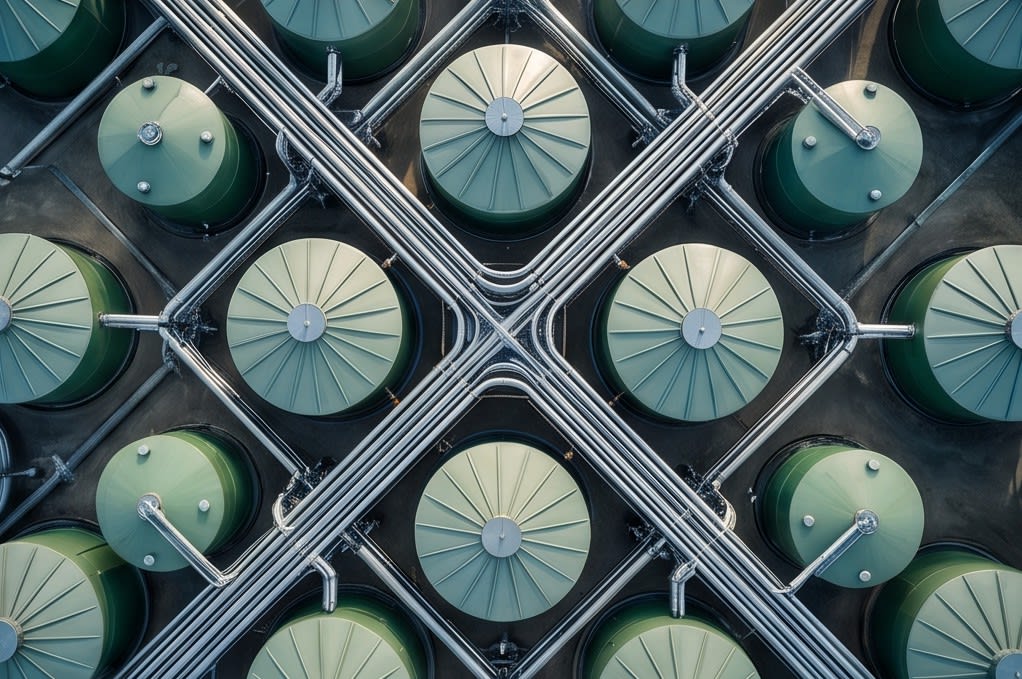
A representative site where this perfect fusion of innovative automated monitoring technology and high-performance ceramic filters demonstrates the strongest synergy is the composting process, where odor intensity is extremely high and control is exceptionally difficult. The composting process, which turns organic waste into resources, emits powerful gases with different properties at each processing stage, making odor control very challenging. The main odor generation stages of the composting process are as follows.
- Raw material collection stage where organic matter decomposes and odors occur
- Fermentation tank stage where high-concentration ammonia and sulfur compounds are emitted
- Curing tank stage that continuously emits gas over a long period
- Compost packaging stage where final products are packaged and shipped
In this way, the entire production process is constantly exposed to the risk of odor leakage.
Process-Specific Customized Collection and Intelligent Linked Control
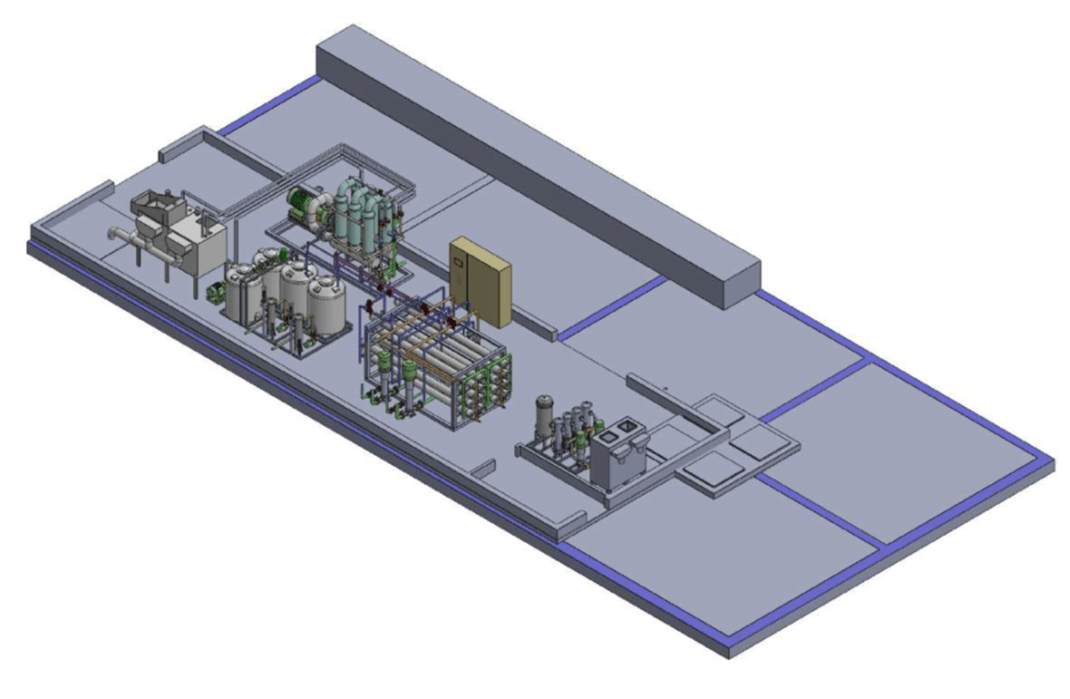
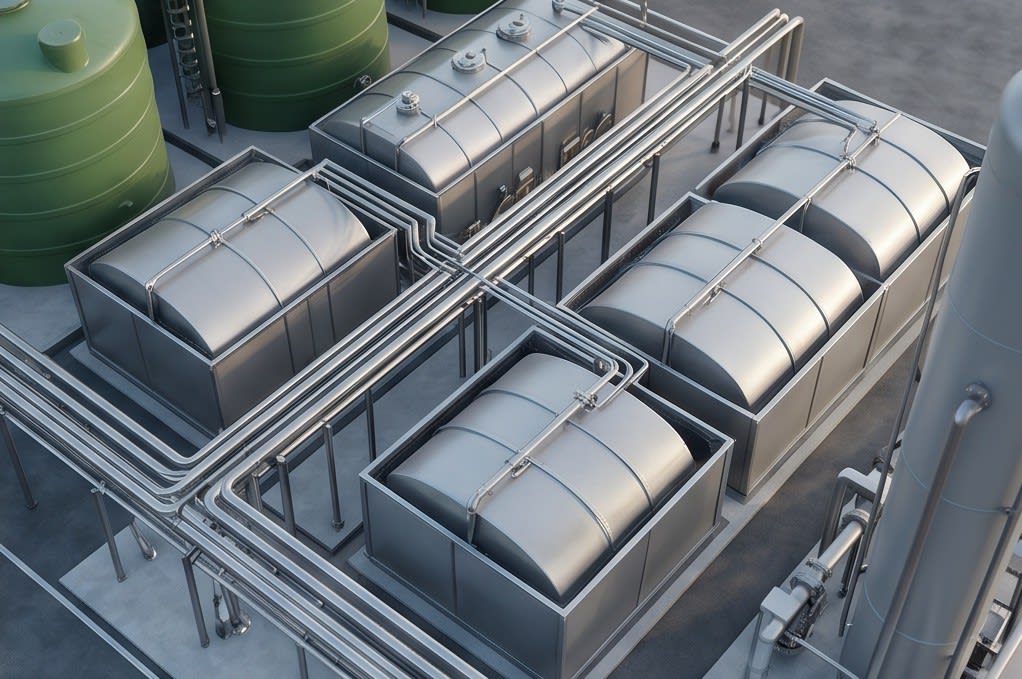
KoreaBest thoroughly analyzed the characteristics of each stage in this complex and connected composting process, designing optimized customized collection facilities and ceramic reduction facilities in enclosed form for every process stage. Then these individual facilities were connected into one intelligent automation network for organic linked operation.
From the moment raw materials are introduced, monitoring sensors track internal factory airflow and gas generation concentrations in real time 24 hours a day. In the fermentation tank stage, where the agitator operates and temporarily releases large amounts of gas, the system automatically increases the airflow of valves and deodorization towers to immediately draw in odors from the air. On the other hand, in curing tanks with low gas generation or during standby conditions, the operation rate is optimized to minimize unnecessary power consumption.
Improved Work Convenience and Transition to an Eco-Friendly Factory
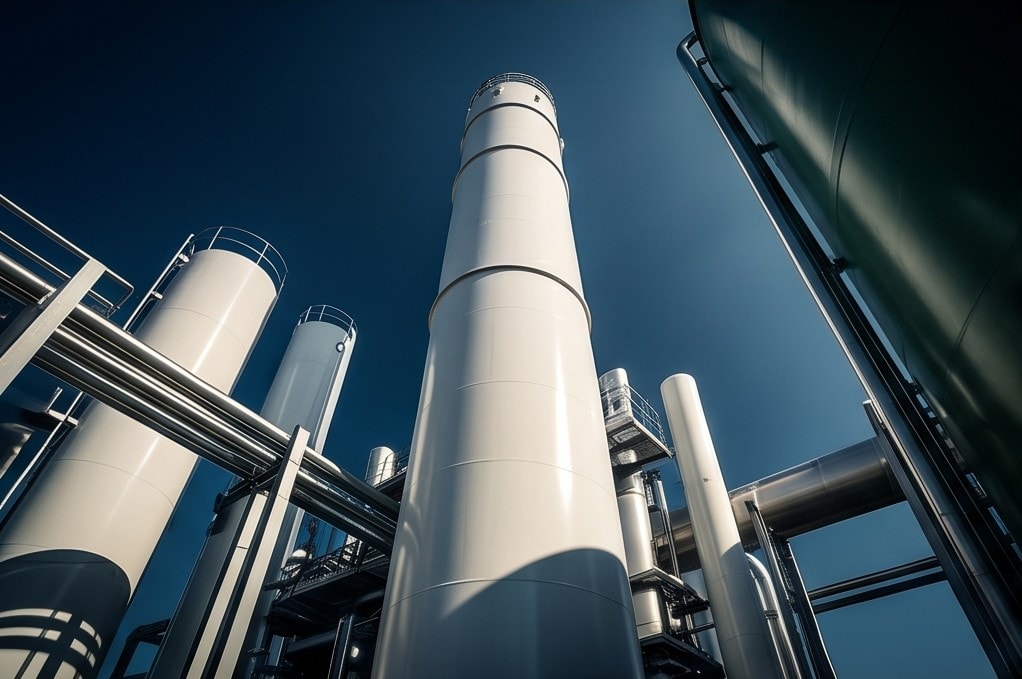
On-site workers do not need to carry gas detectors around every moment to measure odor or anxiously watch monitoring screens out of concern about gas leaks. Because the intelligent system precisely controls the operating pressure of the deodorization tower and the filtration speed of the ceramic filter according to the process flow, odors are completely neutralized inside before spreading outside the factory, and only purified air is discharged.
As a result, organic compost manufacturing plants, once considered among the harshest and most demanding environments, are clearly proving an innovative future-oriented blueprint for becoming pleasant and eco-friendly automated factories through the fusion of KoreaBest advanced sensing technology and powerful ceramic hardware technology.
A Proactive Choice for a Sustainable Future
The answer to the question “How far can odor reduction technology be automated?” is not simple imagination. It is already being clearly proven through technology implemented in our industrial sites. The fusion of an intelligent monitoring control system that allows equipment to adjust its own operation according to air quality data and ceramic filter hardware that withstands harsh physical stimulation becomes the key to maintaining a spotless clean environment 365 days a year without human intervention.
With the innovative solution from KoreaBest, which has transformed even the most demanding and harsh composting processes into eco-friendly workplaces, we invite you to proactively design a sustainable future where companies and local communities coexist even amid increasingly strict air regulations.

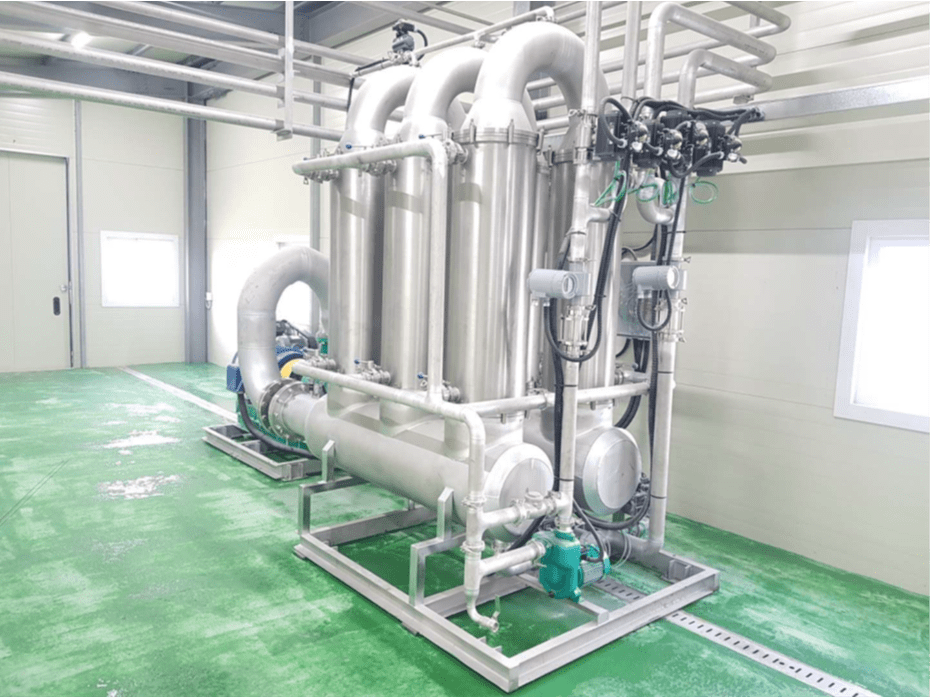
KoreaBest fundamentally solves persistent odor problems based on more than 20 years of experience and expertise, achieving both a pleasant working environment and compliance with environmental regulations
Contact
Phone : 041-632-0670
Email : kbeco@naver.com
Free consultation request : http://www.kbeco.co.kr