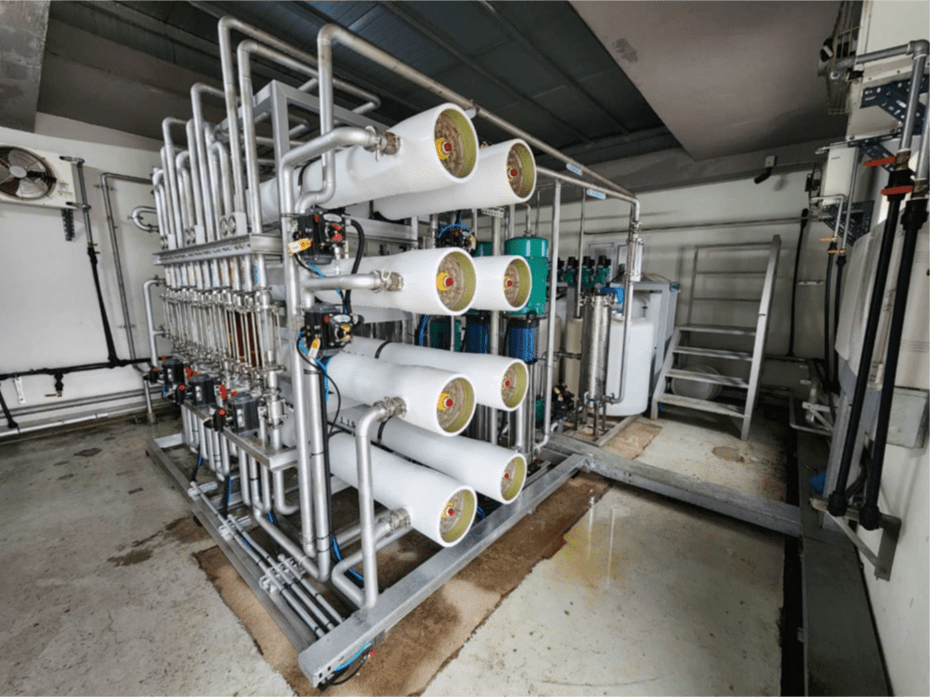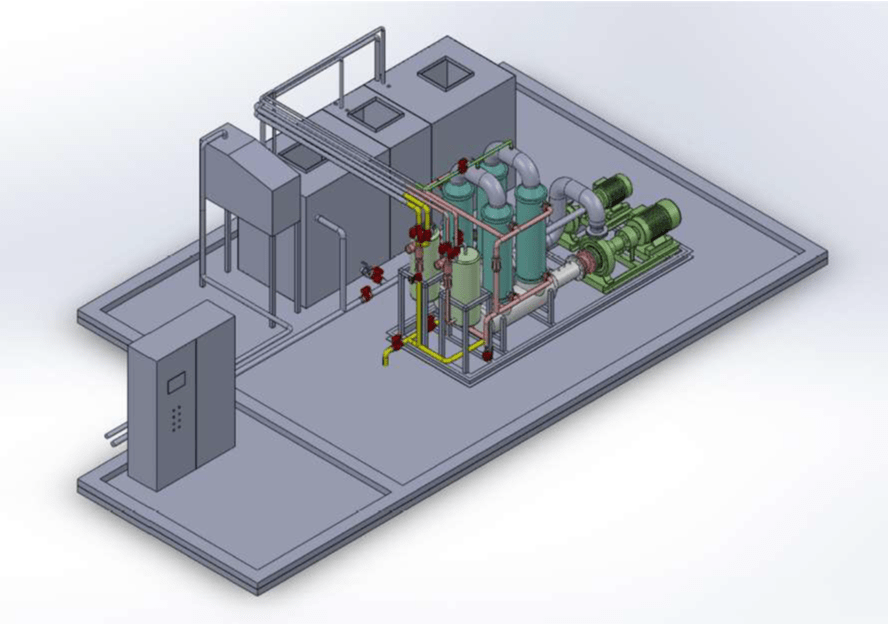
Has the smell from your composting facility always been a headache for you? This pungent odor disrupts the daily life on farms, affects relationships with neighbors, and is often cited as a major environmental pollutant. The compost odor, which existing temporary solutions have found too limiting to manage, now urgently requires a technological approach that removes the root cause. In order to effectively solve this problem, KoreaBest Environment offers technology-integrated container facilities that systematically manage everything from material input to liquid fertilizer spraying, handling not only livestock manure but also other sources of odor.
Chronic Compost Odor Problems and the Limitations of Traditional Methods
In agricultural settings, composting facilities are not simply malodorous areas; they are crucial links in the cycle of life. However, the persistent odors that arise during the process have long been an unresolved issue for farmers, and a source of distress and inconvenience for nearby residents. More than just a nose-pinching discomfort, these odors diminish the quality of rural life, which ideally should be pleasant, and create invisible barriers with neighbors. Most seriously, the fact that these odors, carried by the wind, can contaminate surrounding soil and groundwater poses a long-term serious threat to the sustainability of agriculture. It not only inhibits consumer trust in clean and healthy agricultural produce but also runs counter to contemporary environmental conservation demands.
For years, many farms have experimented with various ways to solve odor problems. Adding sawdust or microbial agents, or installing barriers at odor sites are some traditional methods that have shown temporary benefits or work only under specific conditions, clearly revealing their limitations. These methods fail to fundamentally control the various complex odor compounds like ammonia and hydrogen sulfide produced during the organic decomposition process, which are the essential sources of odor. Like putting a band-aid on a wound, it has been difficult to address the deep-rooted odor issue with surface-level solutions. Without an accurate analysis of microbial activity, precise control over conditions such as temperature and humidity, and an effective decomposition process for odor-causing substances, simply relying on additives could never penetrate the complicated mechanisms of compost odor.

Technological Approaches for Essential Odor Solutions
Now is the time where a more advanced technological approach that precisely understands and effectively controls the essential cause of compost facility odors is desperately needed. Odors should be perceived not merely as smells but as chemical and biological issues arising from the organic decomposition process, and scientific solutions should be applied. Such technology should exceed merely eliminating odors; it should optimize the composting process itself to produce high-quality compost and minimize environmental load. For example, there is a need for a system that monitors compost type and composition, moisture content, and aerobic microbial activity in real-time to maintain optimal fermentation conditions and fundamentally prevent the emission of odor substances. An integrated solution that collects and purifies odor gases within a closed-system by combining engineering design and biological principles could be the alternative.

Features and Expected Effects of KoreaBest Environment Facilities
The introduction of such advanced technology will not only improve rural environments but also become an essential factor for the sustainable development of agriculture. Modern agriculture must seek harmony with the environment and local community, beyond mere productivity increases. By solving the compost odor problem through advanced technology, farms can defuse conflicts with neighboring residents and build an image of clean and healthy rural areas. Furthermore, stable and efficient composting processes lead to the production of high-quality organic fertilizers, enhancing agricultural productivity and contributing to a resource-circulating economy. Significantly, the technology-integrated container facilities presented by KoreaBest Environment boast the following broad applicability.
- They systematically manage everything from raw material input to liquid fertilizer spraying.
- They can handle various sources of odor, including not only livestock manure but also food waste and excretory matter.
These facilities are suitable as recycling water and discharge facilities for small farms, minimizing installation cost burden, and are capable of handling volumes ranging from 10 to 20 tons per day, fulfilling the practical needs of farms and playing a key role in opening the future of sustainable agriculture.


For a long time, compost odor was more than just an unpleasant smell; it was a fundamental issue threatening the sustainability of rural areas. But now, advanced technology offers an answer, providing the key to realizing greater values of resource recycling and environmental protection than simply addressing inconvenience. How will your farm welcome a future without smells? The technology-integrated container facility presented by KoreaBest Environment will be the first step toward that future.

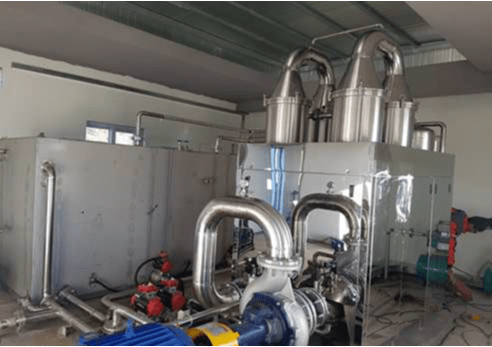
With over 20 years of experience and expertise, KoreaBest Environment fundamentally resolves chronic odor problems to simultaneously achieve a comfortable working environment and comply with environmental regulations.
Contact Information
Tel: 041-632-0670
Email: kbeco@naver.com
Free Consultation Request: http://www.kbeco.co.kr